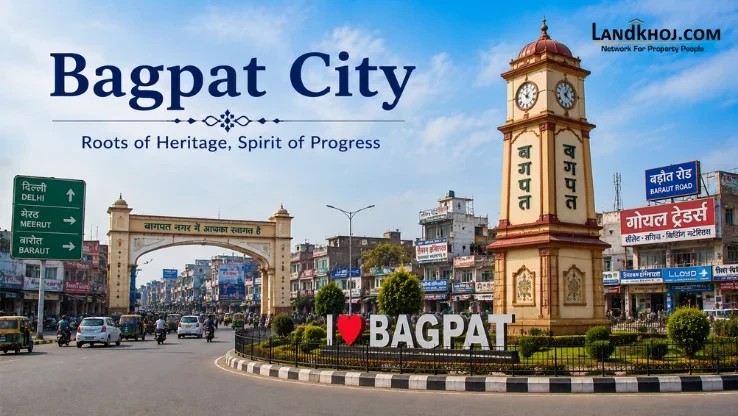
Bagpat City
Understanding Bagpat's property market is quite interesting, because here you get Delhi-NCR connectivity along with the distinct flavour of an agriculture-based district. Most of the area is still semi-urban. Bagpat, Baraut and Khekra each serve different needs — someone wants a house, someone wants a shop, someone wants commercial space. Sugarcane farming, the local mandis, district government offices, highways and the area around the Yamuna — all of these together decide what kind of property works where. So whether you're looking for a home for your family, commuting daily for work, working as a farmer, into trading, or just a local buyer — in every case you need to check the road condition, whether basic facilities like water and electricity are available, what the land use is, and what the surroundings are like.
How Delhi–NCR Proximity Shapes Property Choices in Bagpat
Being part of NCR is what attracts people who work in Delhi, Ghaziabad, Meerut or nearby areas but don't want to live in a crowded city — a plot or independent house is usually their first choice. There's scope here whether you want to run a small business along the road or just need regular commuting access. But here's something to keep in mind — being in NCR doesn't mean you'll get Delhi-like metro or bus systems. Before finalising a plot, go see for yourself how much time it actually takes, what condition the road is in, how much you'll spend on tolls, what traffic is like during peak hours, and how you'll get from the main road to the house.
Bagpat, Baraut and Khekra as Three Connected Urban Markets
Bagpat functions mainly as the district and administrative centre, while Baraut has a stronger local market, education and agricultural-trade role. Khekra’s location makes it more relevant to buyers who frequently travel towards Delhi and nearby NCR areas. Residents often move between these towns for work, shopping, healthcare, registration and education. A buyer should compare workplace distance, markets, schools, hospitals, municipal services, plot size and property records rather than treating all three locations as one market.
How Sugarcane Farming and Agricultural Trade Support Local Property Use
The role of these three towns is also different. Bagpat town functions more like the district headquarters, with administrative work happening here. Baraut has its own local market, more schools, and is also a bigger hub for agricultural trading. Khekra suits people better who travel frequently towards Delhi and nearby areas. People keep moving between these three towns for work, shopping, hospitals, registration work and education. So treating all three as one single market would be a mistake — you need to separately check how far the workplace is, what the market is like, whether schools and hospitals are nearby, whether municipal services actually work properly, what the plot size is, and whether the property papers are clear.
Property Activity Around the Eastern Peripheral and Delhi–Dehradun Corridors
The local economy here is closely tied to sugarcane farming and its trade. Farmers, people doing mandi trading, those in transport work, those selling farm inputs, and small processing units — all of them need independent houses, larger plots, shops, godowns, loading space, and residential-cum-commercial properties. Often this is all run through family businesses. A property near a mandi or farm route can be good for trading or storage, but first check whether vehicles can move in and out easily, and what the land is legally allowed to be used for.
New projects to explore
View all Under Construction

Signature Daxin
Sector 36, Gurugram, Gurgaon, Haryana
Price
₹2 Cr
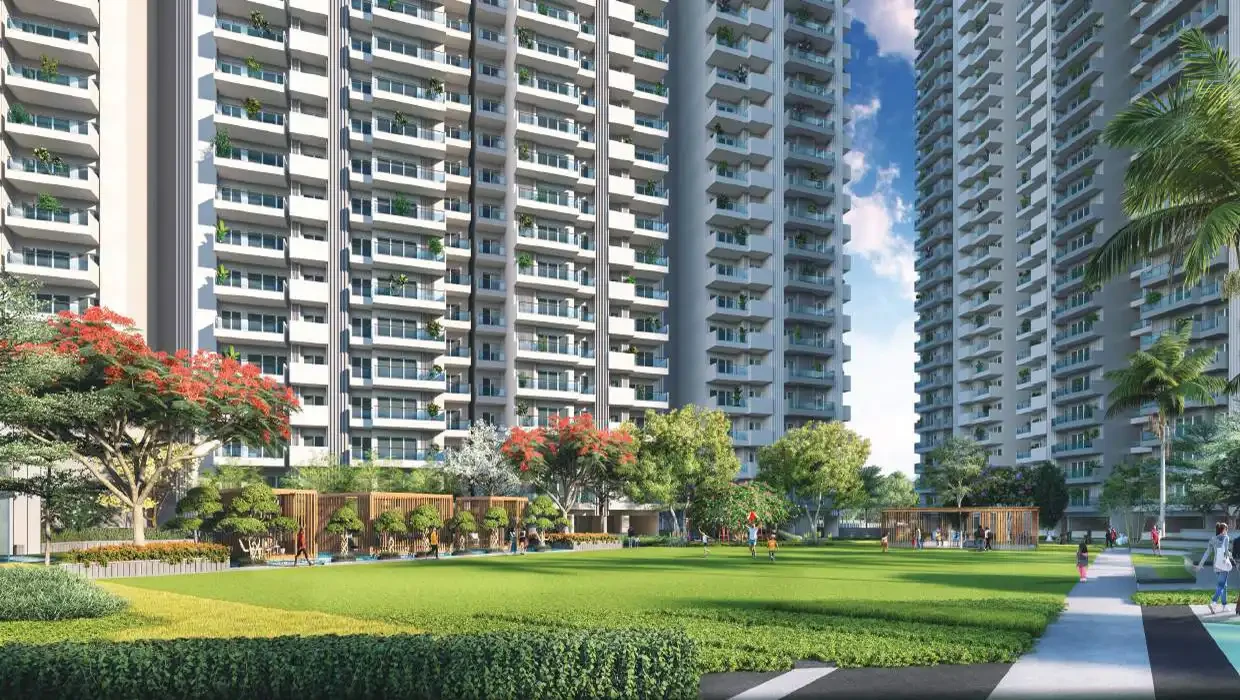 Possession Started

Elite X
Sector 10, Noida, Meerut, Uttar Pradesh
Price
₹2.01 Cr
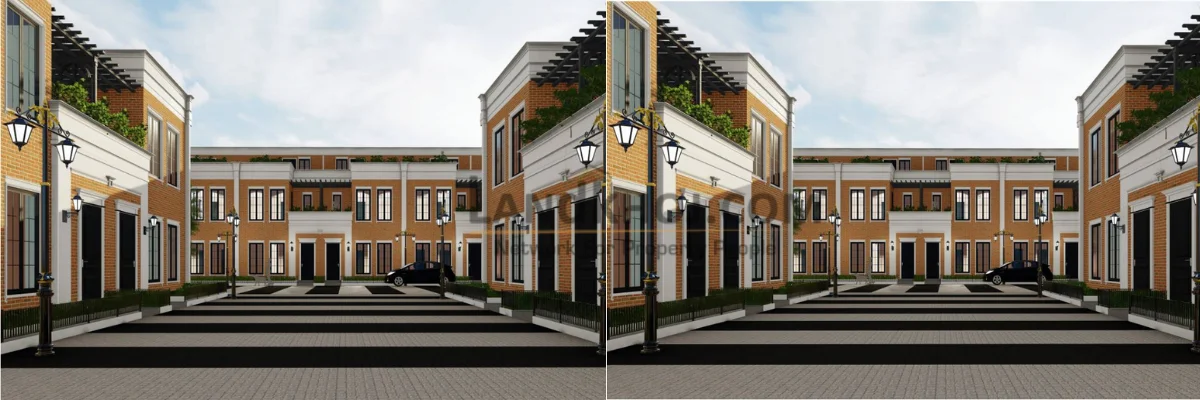 Ready to Move

Savera Palm Green Villas
Sanganer, Jaipur, Jaipur, Rajasthan
Properties to explore
View all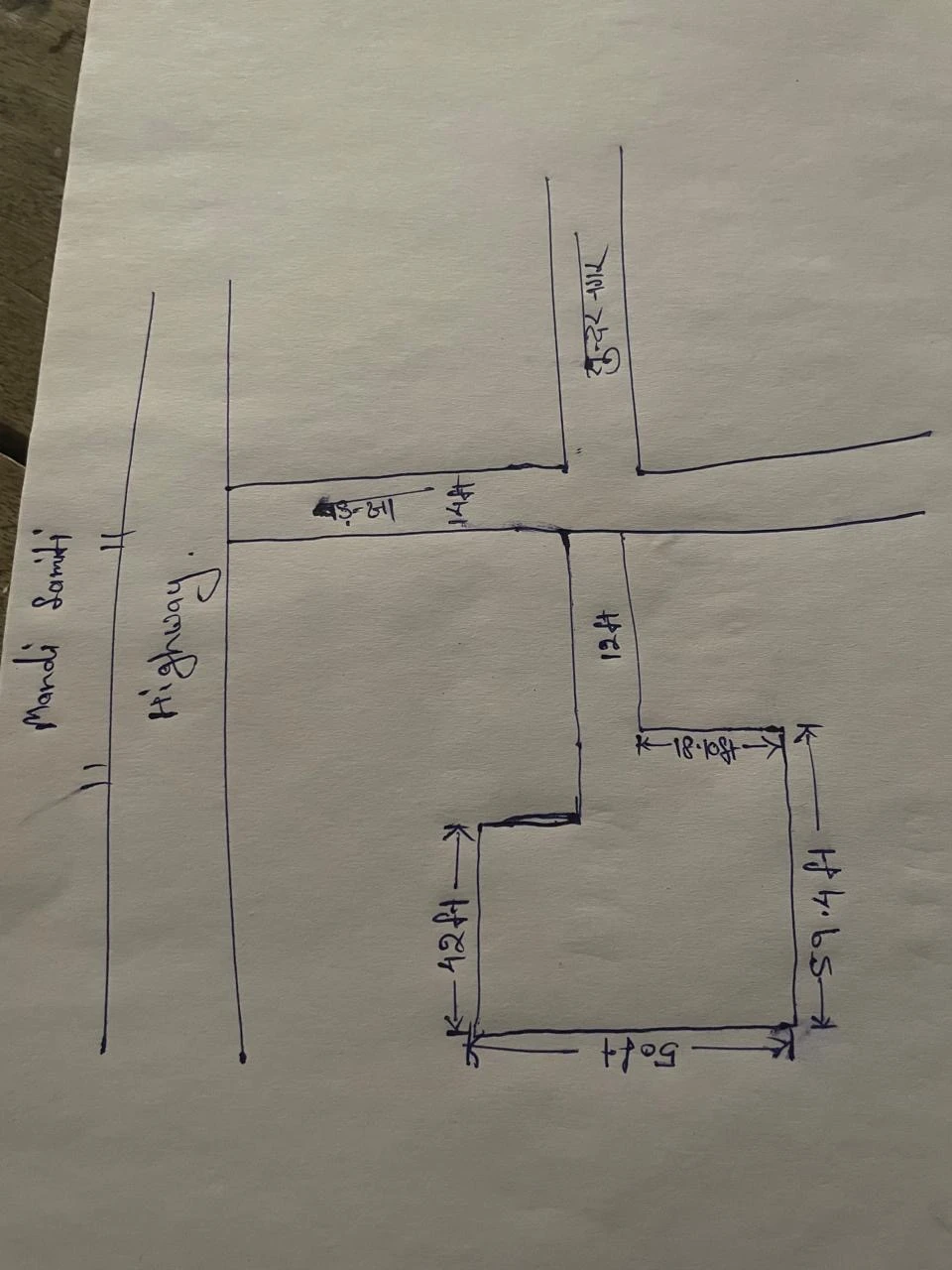
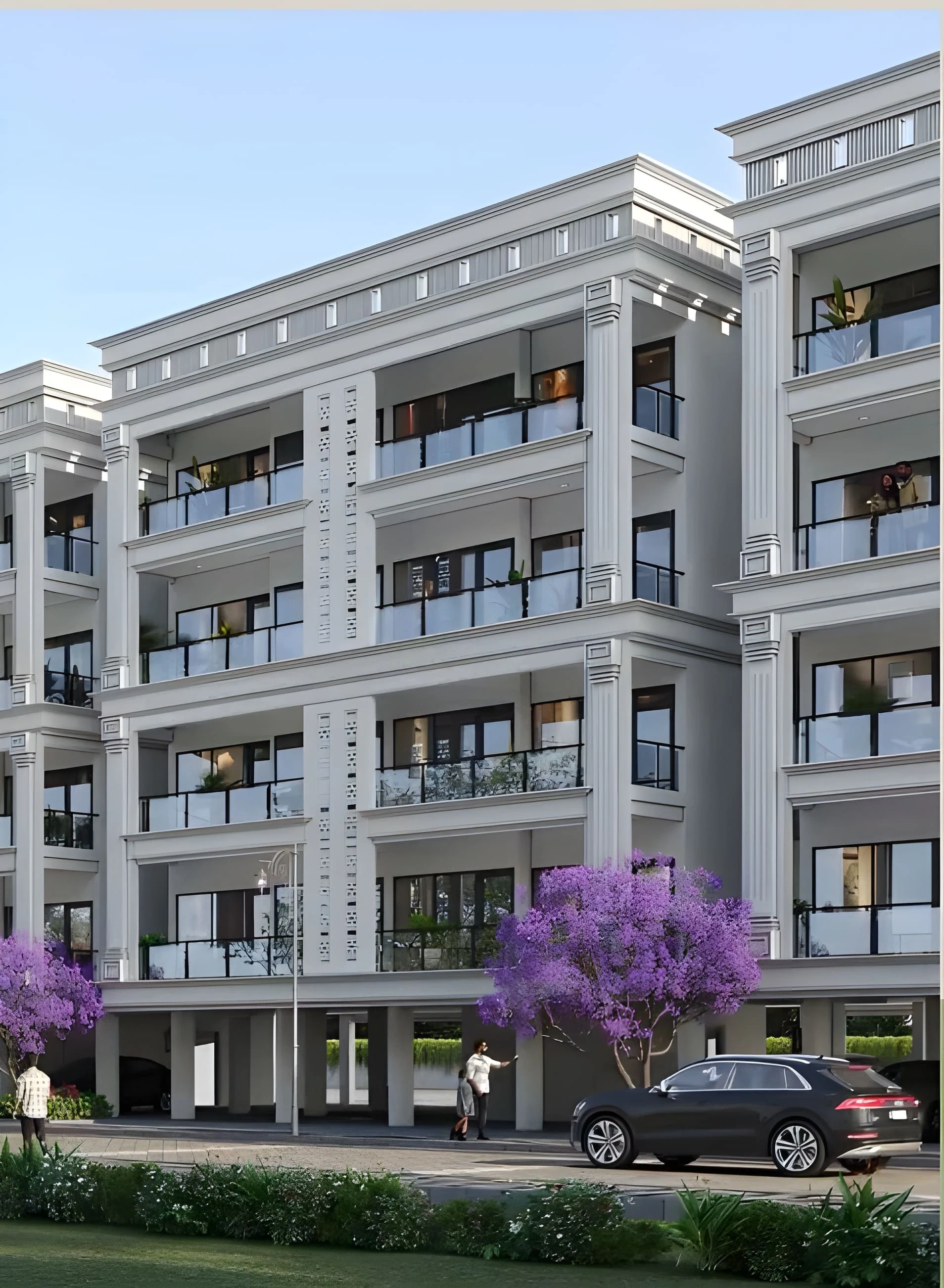
Living Between the Yamuna Edge and Bagpat’s Inland Neighbourhoods
Yamuna-side land and inland neighbourhoods can have different physical conditions.In regions that are mainly influenced by rivers, buyers must check the elevation drainage, seasonal waterlogging, soil condition, access roads and floodplain or environmental restrictions. Then again, inland residential sites may be more accessible to markets, schools and hospitals and municipal services Though facilities still differ in each locality. The closeness to the rivers should not be evaluated only by the looks or by the seller's verbal claims.
How District Offices, Courts and Registration Services Shape Daily Housing Needs
The Eastern Peripheral Expressway and the Delhi-Dehradun corridor also have a direct impact — commuting becomes easier, logistics work increases, and interest grows in land near the highway. If the law permits, things like warehouses, transport offices, workshops, shops or worker housing can come up there. But being near a highway also has a downside — noise, dust, heavy traffic, and sometimes access can feel unsafe too. Because of this first you need to figure out if there is a service road, what the setback regulations are, what the land use is, and if there is a future road-widening plan. Remember that Bagpat has no metro, and everything relies on roads, bus shared cars, and whatever you have in railway connectivity.
Markets, Small Industries and Commercial Property Demand in Bagpat
The markets in Bagpat, Baraut and Khekra mostly run for farmers, traders, transporters and people from nearby settlements. Because of this, there's a real need here for shops near the market, workshops, godowns, offices, rooms for rent, warehouses and mixed-use buildings. A location in the middle of the market gets steady customer footfall, that's true — but along with that, the roads can be narrow, parking space is limited, there's congestion, and loading-unloading work also keeps happening. A property that's good for business isn't necessarily a quiet place to live for a family — so you should decide based on what you actually want to use it for before finalising.
What Buyers Should Check Before Purchasing Highway-Side or Agricultural Land in Bagpat
If you're thinking of buying farmland or land near the highway, first check the ownership, look into the title history, get the khasra-khatauni details, see whether the mutation is clear, check if there's any loan or legal issue on it, and also physically go and verify the actual boundary of the land. Along with this, you also need to confirm what the zoning allows, whether conversion permission has been given, what the development authority's rules say, whether the layout is sanctioned, and whether there's a legal approach road to reach the land. For property near the corridor, check whether there's a service road, how much setback needs to be left, and whether there's any risk of acquisition. For land near the Yamuna, check the drainage and what happens during rains or floods. Just hearing that "NCR is developing" or "a future colony is coming up here" should never be a reason to skip the document check or site visit — that part is necessary no matter what.
Conclusion
This is exactly why Bagpat's real estate market matters — its closeness to Delhi-NCR, the different roles that Bagpat, Baraut and Khekra play, the sugarcane trade, expressway connectivity, the local markets and district services all come together to shape the value of land here. Because of the area near the Yamuna and the semi-urban land pattern, buyers need to pay extra attention to documents and verification. A site like LandKhoj (https://www.landkhoj.com/) can give you a starting point for information, but the final decision on buying a home or shop should never be made without checking the actual road access, legal status and real condition of the site.
FAQs
Is Bagpat City good for buying property?
Yes, Bagpat is the right choice for those buyers who focus mostly on plots, independent houses or commercial properties, Mainly if they value the NCR connectivity, agricultural setting, and district-level services.
Is it better to buy property in Bagpat, Baraut or Khekra?
If your work involves district offices, Bagpat is the better choice. For local trade and markets, Baraut is stronger. And if you travel to Delhi often, Khekra suits you more.
How does Delhi–NCR proximity affect property demand in Bagpat?
There's genuine interest here from commuters and buyers who want more space, that's true — but you still need to check how much time the commute actually takes and whether transport is easily available or not.
Does the sugarcane economy influence Bagpat real estate?
Yes, there is demand here — for family homes, shops, godowns, storage space, transport businesses and mixed-use properties, all of it has takers in this area.
Is highway-side property in Bagpat suitable for residential use?
It may happen that a property near the highway turns out to be a good investment, only if it is located in the approved area. But, you will have to consider many factors such as noise levels, access setback traffic, land use, and if there is any road widening plan before long.
What should buyers check before purchasing agricultural land in Bagpat?
They should check title, khasra-khatauni mutation land use, permission for conversion, legal access, possession, and boundary measurements.
Does Bagpat City have metro connectivity?
No, Bagpat doesn't have metro connectivity. Movement is usually through the road system buses, shared vehicles, personal vehicles, and trains in case the facility is available.
How can buyers verify whether a plot in Bagpat is approved for residential use?
Buyers must verify the master plan, land-use records, approved layout and various permissions needed from revenue, municipal and development authorities.