
Churu City
Before buying property in Churu, spend some time understanding what the place is actually like to live in. The summer heat here is not ordinary — it is the kind that makes a poorly built house genuinely miserable. Winters are cold enough at night that you cannot ignore insulation either. Water is scarce and needs planning. Then there is the trade side — wool, dairy, guar, mustard, and farming keep business moving, and Churu Junction plus NH-52 bring steady passenger and goods traffic. Homes, shops, workshops, storage spaces — demand exists across all of these. But climate, water, neighbourhood, building quality, sandy soil, and proper approvals need to be looked at carefully before anything is finalised.
How Churu’s Extreme Summers and Winters Affect Home Design and Daily Living
How a house is built in Churu makes a real difference to how liveable it is. West-facing rooms, thin roofs, no shade at the entrance, windows that let dust in — these things add up fast in peak summer. Then, from November, the nights get quite cold, so the very same house should very well manage the two extremes of temperature. When one is visiting a property, one should inspect the roof, measure the wall thickness, observe whether there is natural airflow through the rooms, take note of the windows orientations, and find out how much water the house can really keep. A large house that holds heat and lacks cross ventilation will surely be less comfortable than a smaller house that has been sensibly designed.
What Traditional Havelis Teach Modern Homebuyers About Desert Housing
Churu's old havelis are worth understanding even if you are not planning to buy one. Thick walls, inner courtyards, jharokhas, small outward-facing openings, shaded walkways — these were not decorative choices. They kept homes liveable in desert heat without any mechanical cooling. That logic still holds. If you are actually considering a haveli, though, the structural condition matters as much as the design. Old roofs, outdated wiring, plumbing that has not been touched in decades, narrow lanes with no parking, shared walls, and split ownership between family members — any of these can turn an interesting property into a long-running problem.
Water Availability, Storage and the Real Cost of Living in Churu
Water needs to be figured out before you commit to any home in Churu. How often does municipal supply actually arrive, what is the pressure like, is there a proper storage tank, does the house need a borewell or tanker to get by, and what shape is the plumbing in — ask all of this directly. Drainage and water quality matter too. A property that looks affordable can quietly cost more every month if the water situation is not sorted. One of the most useful things you can do is talk to the neighbours rather than rely entirely on what the seller tells you.
How Wool, Dairy and Guar-Based Trade Support Local Property Use
Wool, livestock, dairy, guar, mustard, and farm produce keep a lot of everyday business running in Churu. Traders, farming families, transporters, milk collection operators, small processing units — they all need space to work from and somewhere nearby to stay. If you are looking at commercial property, think through the practical side: can trucks get in and out easily, is there enough ventilation, what does fire safety look like, what is the approved use of the space, and will the loading and unloading activity create problems for anyone living on the same street.
New projects to explore
View all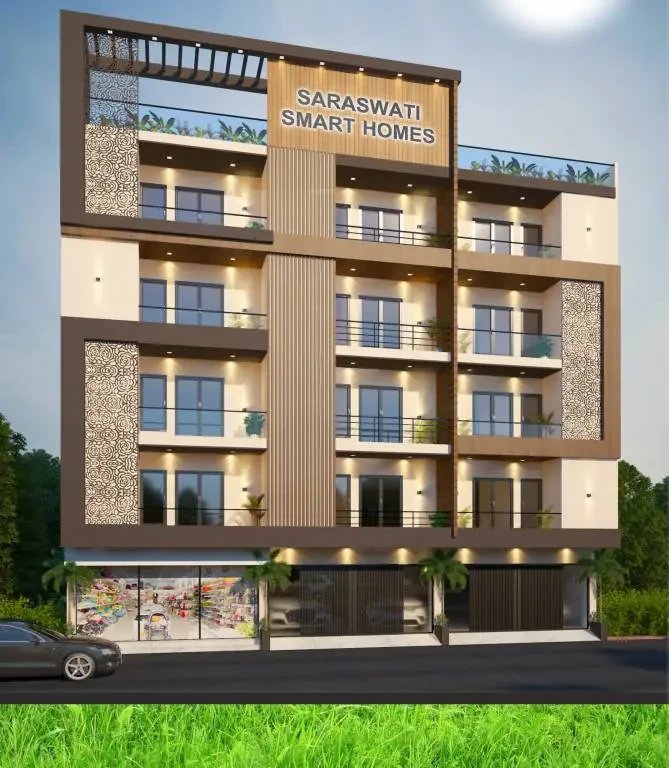 Possession Started

Saraswati Smart Homes
Noida Phase-2, Noida Phase-2, Noida, Meerut, Uttar Pradesh
Price
₹32 Lac
 Ready to Move

Aadhar Elite Prime
Vaishali Nagar, Jaipur, Jaipur, Rajasthan
Price
₹45.36 Lac
 Under Construction

Ashiana Ekansh
Bhakrota, Jaipur, Jaipur, Rajasthan
Properties to explore
View all

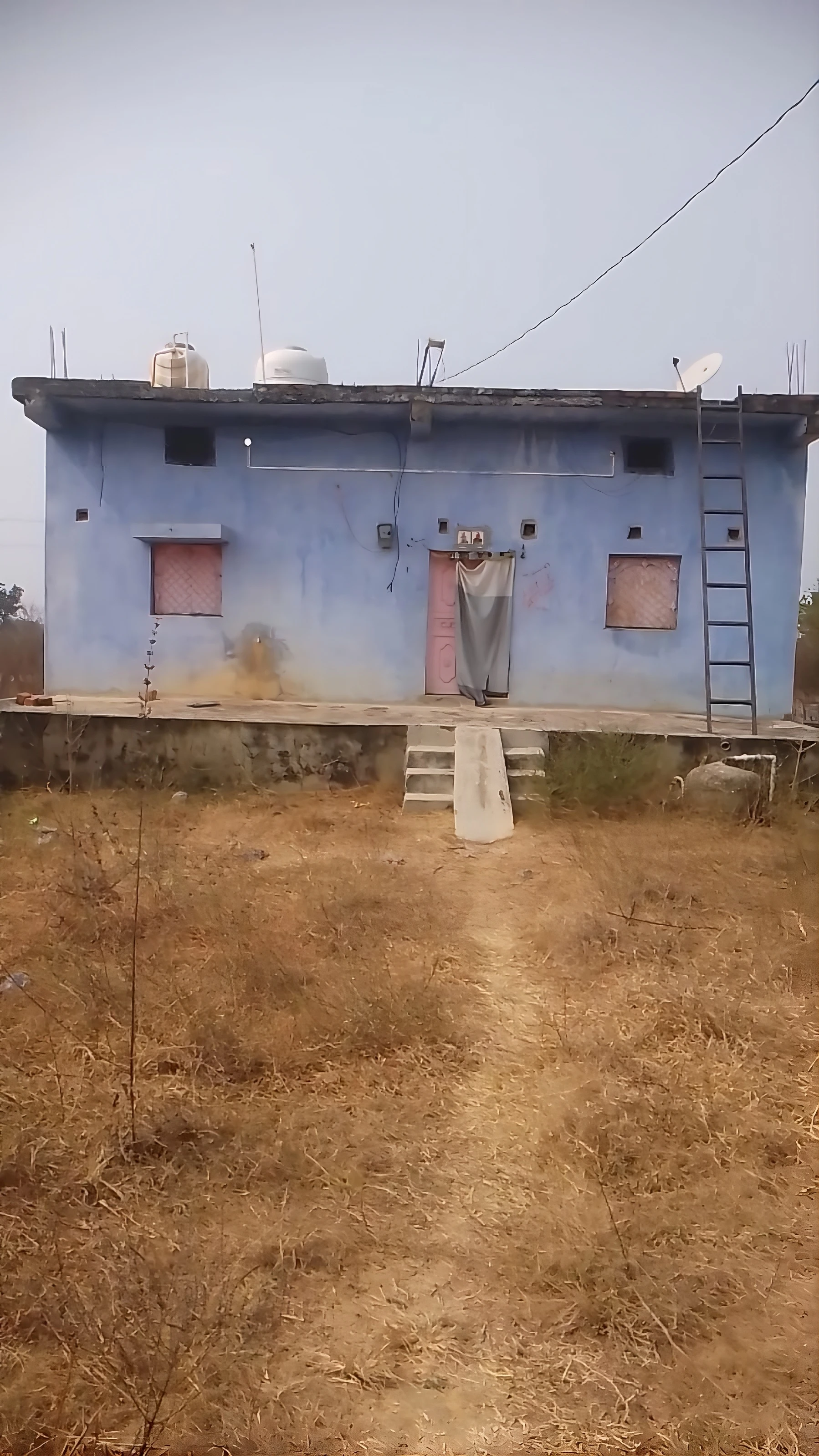
Churu Junction, NH-52 and the Property Value of Practical Connectivity
The town of Churu is connected with several means of transport like its own Churu Junction, National Highway 52, Rajasthan Roadways buses, and the network of regional roads that link it with Sikar Bikaner Jhunjhunu, Ratangarh, and other cities nearby. Areas near the railway station or adjacent to main roads are appropriate to live, rent shops, set up transport offices or small scale manufacturing units. That said, locations near the railway line come with their own set of issues — noise, heavy vehicles, dust, and parking pressure are real concerns. There is no metro here, so people get around through buses, shared transport, private vehicles, and trains.
Living Around Churu’s Old Bazaar, Haveli Streets and Newer Residential Pockets
Bazaar and haveli lanes have their distinct atmospheres. These are traditional shops, local customers, and business networks have been there for a long time. Though these streets are narrow, there is a lot of overcrowding, the buildings are quite old, and it can be difficult for emergency vehicles to get through. Newer colonies located on the outskirts provide open plots, wider roads, and better parking facilities.That sounds good, but not every outer colony is approved. Water supply, drainage, distance from markets, bus connectivity, road condition — these vary from one colony to the next, so compare carefully rather than assuming everything is in order.
Why District Hospitals, Colleges and Government Services Matter to Homebuyers
Living near the District Hospital, colleges, courts, or government offices makes daily life more manageable — especially for government employees, students, or families with regular hospital visits. Many families prefer areas where Churu Junction, markets, schools, and hospitals are all within a reasonable distance. These locations do tend to get busier with traffic and commercial activity. One thing worth keeping in mind — just because a government building is nearby does not mean the surrounding colony is legally approved.
What Buyers Should Check Before Purchasing Dune-Side or Outer-City Land in Churu
If you are looking at plots in the outer areas of Churu, take some time before finalising. Check ownership documents, title history, mutation, khasra number, and encumbrance records yourself. Also look into the land use classification, Master Plan zoning, whether the layout is approved, and whether there is a legal approach road. Sandy soil can make foundation work more expensive, water arrangements need to be sorted in advance, and road alignment can sometimes affect construction. If someone tells you it is cheap land and a road will come in the future — verify that in the documents first, then decide.
Conclusion
Churu's property market is shaped by its desert climate, haveli culture, trade in guar and wool, and the importance of Churu Junction. The old markets and newer colonies offer different kinds of living, and both have their own advantages and limitations. You can use LandKhoj at landkhoj.com for initial research, but make your final decision only after checking the land condition, climate comfort, water availability, and all legal documents properly.
FAQs
Is Churu City good for buying property?
Yes, Churu is ideal for families, businessmen, government employees, and those looking for houses plots shops, as well as mixed-use properties based on local needs.
How does Churu’s climate affect home-buying decisions?
It is essential for buyers to focus First and foremost on features like insulation ventilation, shaded entrances, roof modifications, water reservoirs, room directions, as well as safety from dust and harsh temperatures.
Are traditional havelis in Churu suitable for modern residential use?
One might consider them viable after thorough examination of structures, roofs plumbing, electrical safety, vehicle parking ownership accessibility, and potential refurbishments.
What should buyers check about water supply before buying a home in Churu?
It is important that they check the frequency of supply pressure, capacity of storage, water quality, pumping arrangements, plumbing drainage, and any reliance on borewells or water tankers.
Does wool and agricultural trade influence commercial property demand in Churu?
Yes, each of these sectors, in turn, generate a need for commercial spaces of different types like shops, workshops, godowns, storage areas, transport terminals, and mixed residential-commercial buildings.
Is property near Churu Junction or NH-52 suitable for residential use?
Installation of such equipment ultimately increases the overall power demand of the household. Also, it is the customer's responsibility to get updated on their billing cycle, meter reading charges adjustments, etc. If any discrepancies are found, they should be brought to the notice of customer care.
What should buyers verify before purchasing dune-side or outer-city land in Churu?
People who are interested in buying a house/property should verify the title mutation land use conversion approved layout, legal access, soil condition, water supply utilities boundaries, and obtain building permission.