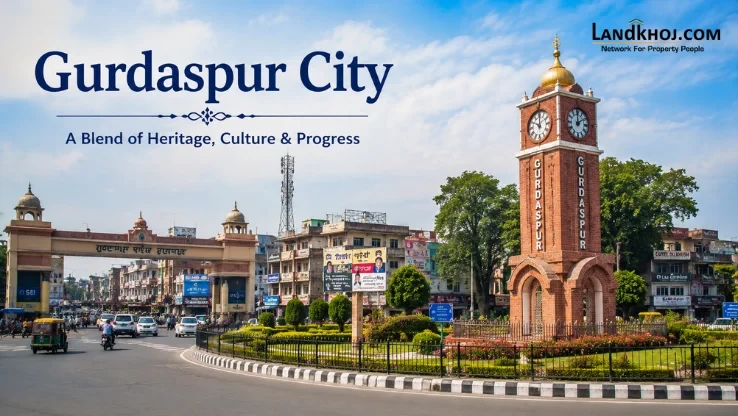
Gurdaspur City
Gurdaspur is a district and administrative centre in Punjab — and it serves not just its own residents but people from surrounding villages and towns as well. Agriculture, rice mills, small businesses, government jobs, education, healthcare and regional trade are what keep the city going. That's why there's a need for homes, rental accommodation, shop spaces and plots here. Most people looking at property in Gurdaspur are families, traders, government employees and professionals — people who want to stay close to markets, hospitals, colleges, civic offices and transport.
Introduction to Gurdaspur City
Gurdaspur doesn't only serve its own population — people from across the district come here regularly. For government work, medical visits, studies, shopping, legal matters, selling grain — the city sees consistent footfall. That's what keeps Main Bazaar, local markets, transport services and residential neighbourhoods active. People looking at property here mostly want a location where daily life is manageable — decent roads, working drainage, water supply, market nearby, civic facilities within reach. A large plot in an isolated spot doesn't help much if getting through the day becomes an effort.
Economic Landscape of Gurdaspur
A big part of Gurdaspur's economy runs on agriculture and related industries. There are agro-based units, rice mills, small manufacturing setups, Grain Mandi and agricultural markets. Farmers, traders, transporters, labourers, shopkeepers, service providers — a lot of people's livelihoods are connected to this. Main Bazaar handles everyday retail and trade. Because of all this activity, there's a genuine need for independent homes, rental rooms, shop spaces, storage and small commercial properties. The property market here runs on real local need — it's not the kind of place where buyers are banking purely on future price appreciation.
Education and Family-Friendly Facilities
Government College Gurdaspur, Government Polytechnic College Gurdaspur and Sukhjinder College have given the city a recognised name in education — for people within Gurdaspur as well as those coming in from surrounding areas. Students come not just from Gurdaspur but from nearby areas too, which creates some rental demand in well-connected parts of the city. Families looking for a home want schools, colleges, markets and transport to all be reasonably accessible on a daily basis. For people planning to settle in Gurdaspur with children, being near good educational institutions is a genuine long-term decision — not just something to mention while comparing properties.
Healthcare Access in Gurdaspur
Civil Hospital Gurdaspur, District Hospital Gurdaspur and the city's private nursing homes don't only serve city residents — people come in from surrounding villages for medical care too. Such amenities are truly trusted and get used very often. For families and elderly members, how far the hospital is can genuinely shape where they choose to live. Routine check-ups, emergencies, picking up medicine — when these things are close by, daily life is just easier. So when comparing homes in Gurdaspur, don't only look at rate, plot size and neighbourhood. How easily you can access healthcare matters just as much.
New projects to explore
View all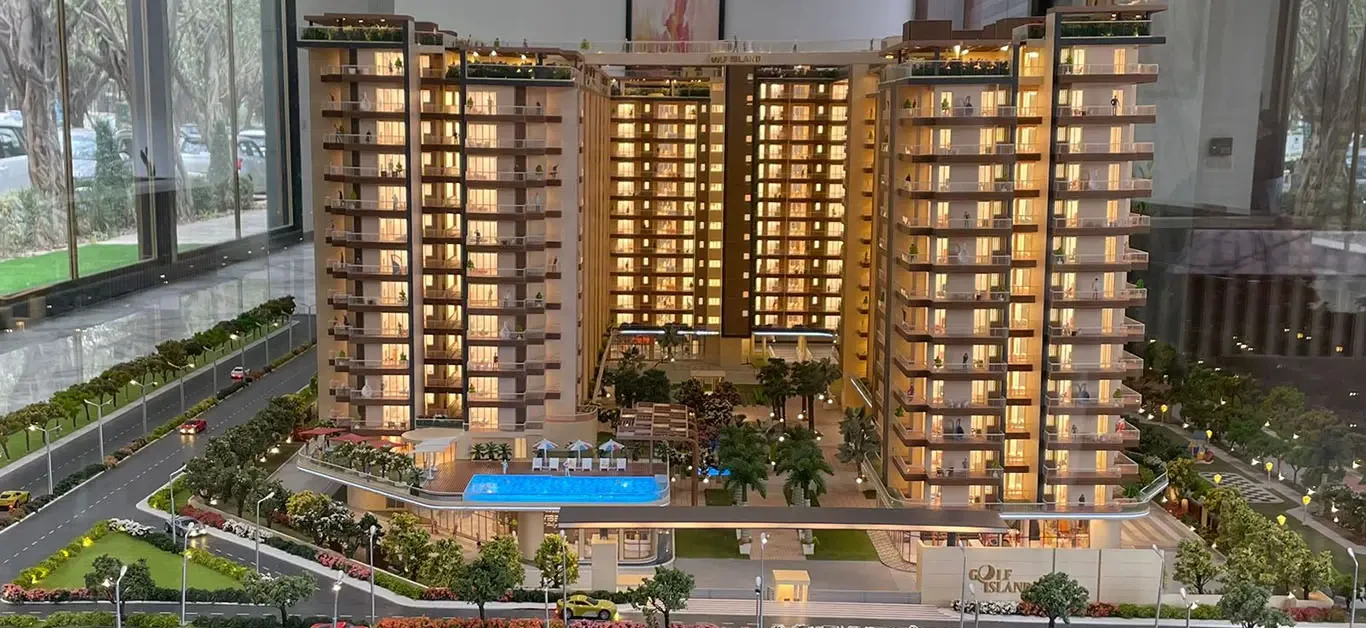 Under Construction

Golf Island
Sector 10 Dwarka, Sector 19, Delhi, Delhi, Delhi
Price
₹6 Cr
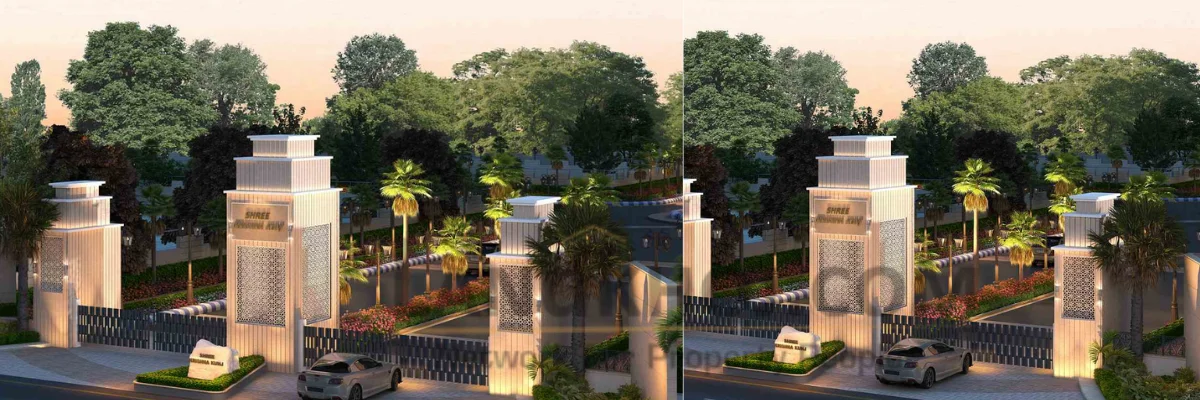 Under Construction

Abhinandan Krishna Kunj Phase 1
Tonk Road, Jaipur, Jaipur, Rajasthan
 Under Construction

Radisson BLU Residences
Price
₹11.2 Lac
Properties to explore
View all

Transportation and Regional Connectivity
For getting around, there's NH-44, state highways towards Pathankot and Amritsar, Gurdaspur Railway Station, Punjab Roadways Bus Stand and local bus services. For daily travel, the options are there — one or the other tends to work depending on where you're headed. Daily office commutes, trade movement, travel for studies — all of it runs on these routes. If you want to fly, Sri Guru Ram Dass Jee International Airport in Amritsar is quite a way off at 65 km it would be good only for infrequent or longer journeys. So basically it is not something that one can think of while planning daily life. There's no metro either. So when you're looking at property here, think seriously about road connectivity, whether public transport is actually available from that area, and how long the daily commute will realistically take.
Public Services and Civic Infrastructure
Gurdaspur isn't just a place to live — it has a full civic setup. Municipal Council, Deputy Commissioner Office, Tehsil Office, Sub-Registrar Office, District Courts, Police Lines — all present. Land records, registration, legal work, government services — it all happens here. This also means steady employment and regular footfall in the city. The Upper Bari Doab Canal system is part of the wider agricultural life of this region. For buyers, one practical advantage is that having civic offices nearby makes document verification and registration work considerably less complicated.
Residential Neighbourhoods in Gurdaspur
Shastri Nagar, Hanuman Chowk Area and Tibri Road Area are three different places with three different characters. Shastri Nagar can work well for families who want a settled, established neighbourhood. Hanuman Chowk Area has markets and central facilities close by. Tibri Road attracts buyers who want road connectivity but prefer to stay a bit away from the busy commercial pockets. No single area is right for everyone — look at your budget, workplace, family needs, traffic situation, parking, drainage, water supply and whether the documents are clean before making a call.
Real Estate Market Trends in Gurdaspur
In Gurdaspur, most people are looking for plots, independent houses or modest rental homes — and preferably somewhere close to markets, colleges, hospitals, government offices and main roads. These are the things that make a location work for everyday life here. Local families usually buy for their own use. Traders and working professionals usually desire locations near their office or transport hubs. Buying real estate in Gurdaspur is wise only if you first study the area, examine the facilities available, verify the property documents and find the place agreeable for continued living over a long period of time. Don't make a decision based on someone telling you prices will go up — verify everything yourself.
Conclusion
Gurdaspur is a practical city to live in — there's an agro-based economy, education and healthcare are accessible, civic infrastructure is in place, regional connectivity exists and there are different residential options to choose from. LandKhoj at landkhoj.com is a good place to start — browse listings, get a sense of what's available. Besides that, why remain at a decision stage only? Attend the house personally, tour the locality, see the road leading to it, and do the document verifications by yourself. An online listing shows you what someone wants you to see, not necessarily the full picture.
FAQs
Is Gurdaspur City good for buying property?
Yes, For buyers looking for a practical home in a district city — with markets nearby, a hospital within reach, colleges, government offices and regional transport available — Gurdaspur is worth considering.
Which are the popular residential areas in Gurdaspur?
The areas of Shastri Nagar, Hanuman Chowk and Tibri Road are the most popular neighborhoods that local purchasers tend to consider. Ultimately, it is a matter of your budget, how good road connectivity is and also how comfortable daily living will be from that location.
Is Gurdaspur suitable for families?
Yes, For family living, the basics are in place in Gurdaspur — schools, colleges, hospitals, public transport, markets and government offices are all accessible. What you need to get through daily life without too much trouble is available here.
How is healthcare access in Gurdaspur City?
Both Civil Hospital and District Hospital are situated in Gurdaspur. Apart from these, numerous private nursing homes, clinics and pharmacies are scattered throughout the city. So, even if it is a minor issue or an accident, getting medical assistance very quickly will never be a problem. And for the family, this kind of security is really important.
How is Gurdaspur connected to Amritsar and Pathankot?
People travelling to and from Amritsar, Pathankot and the nearby areas can use the national highway 44, state highways buses, railway services and local transport. Amongst all these modes, one can always find a route to the destination whether it is a daily routine work or an occasional trip outside the city.
Does Gurdaspur City have metro connectivity?
No, there's no metro in Gurdaspur — that's straightforward. Buses, roads, railways and private vehicles are the main modes of transport that people rely on for local and regional travel.
What should buyers check before buying property in Gurdaspur?
Before buying, check the ownership documents, title history, registration records, land use, approval status, water supply, drainage, parking availability, road width and physical access to the property. Do this yourself — don't rely on what someone else tells you.
What supports real estate demand in Gurdaspur City?
Housing demand in Gurdaspur comes from families needing homes, government activity, agro-trade and rice mills, education and healthcare, local markets and the city's connection with surrounding towns and villages. These are the real factors keeping the property market here active.