
Guwahati the fast Growing Premier City.
These days, Guwahati stands out as the leading hub across northeast India. Sitting by the rich soil near the broad Brahmaputra River, it runs things, offices, schools, hospitals, markets, all rolled into one spot. Lately, property here draws attention from buyers, people putting money in, those living abroad, plus others building careers, thanks to steady progress fueled by big roads, private funding, and spreading city limits through the years.
Residential Development & Urban Expansion
The residential development of Guwahati has gone deep into numerous growth corridors. Such areas as GS Road, Six Mile, Beltola, Khanapara, and Dharapur are witnessing lively demand for apartments, gated communities, and residential plots. The city also has luxury housing available near rivers, facing zones and hill view locations thus giving lifestyle value to urban living.
Housing demand is driven by:
- Professionals working in government, banking, and services
- Migrants from across the Northeast
- NRIs investing in rental and long-term assets
Now coming up in Guwahati, modern living spaces are shaped by well known developers who've redefined city neighborhoods. Alongside them, homegrown builders delivered complete communities, changing how people see urban design here. These projects didn't just raise planning expectations, they quietly built trust within the property scene across the city.
Economic Activities & Business Ecosystem
Home to big trading companies, Guwahati drives commerce across the Northeast. Banks and public sector units run their regional operations here. Logistics providers set up bases in the city alongside wholesale hubs. Employment grows through FMCG networks rather than manufacturing alone. Service industries play a major role, along with hotels and guesthouses. Jobs also come from bustling marketplaces serving wide areas.
Key economic drivers include:
- Trade and logistics linked to the Northeast corridor
- Government administration and public services
- Retail, tourism, and hospitality industries
A strong mix of industries fuels steady employment opportunities across Guwahati, shaping how homes and buildings develop there.
Healthcare Infrastructure & Medical Facilities
Nowhere grows faster than here when clinics and colleges rise like morning light. Hospitals stand tall, Gauhati Medical College among them, drawing students, patients, yet never losing local roots. Dibrugarh holds its own with Assam Medical, steady through decades of change. Farther north, Tezpur adds another name to the list, quietly doing its part.
Home to big names in learning, Guwahati wears more than just a medical crown. Education here pulses through its veins, shaping young minds across the region. Schools such as Delhi Public School Guwahati light up classrooms with steady purpose. Don Bosco School adds depth with a long, held tradition. Then there's Indian Institute of Technology Guwahati, where ambition meets structure, quietly raising the bar.
Education Ecosystem & Knowledge Institutions
Guwahati holds a strong reputation for learning across the Northeast. Schools like Delhi Public School Guwahati along with Don Bosco bring weight to its standing. The presence of Indian Institute of Technology Guwahati shifts how people see education here. Each institution adds depth beyond just classrooms.
Education-led growth supports:
- Stable rental housing demand
- Long-term family settlement
- Employment in teaching and support services
Consequently, real estate in Guwahati becomes a safer and more attractive option for long, term investment.
Infrastructure Development & City Connectivity
Nowadays, the city looks different because construction work never really stopped changing its shape. Connected to India's largest cities through flights, the airport named after Lokpriya Gopinath Bordoloi serves as the main gateway. While trains roll in regularly, roads also stretch far, linking distant parts of the Northeast smoothly. Getting here becomes easier when both tracks and paved routes lead straight into town.
Major infrastructure highlights include:
- Four-lane highways and flyovers
- River bridges over the Brahmaputra
- Smart city projects and urban road upgrades
In the course of these transformations, property prices in Guwahati are slowly but surely being elevated.
Commercial Real Estate & Business Districts
There is a consistent increase in the demand for commercial real estate in Guwahati. GS Road, Paltan Bazaar, and Beltola have been the business corridors where the demand has risen to a new level and vigorous activity has been noticed. The urban ecosystem is witnessing the multiplying of office spaces, showrooms, hotels, and mixed use developments. The emergence of well, planned retail centers like City Center Mall and Central Mall Guwahati is furthering the cause of organized retail in the region.
New projects to explore
View all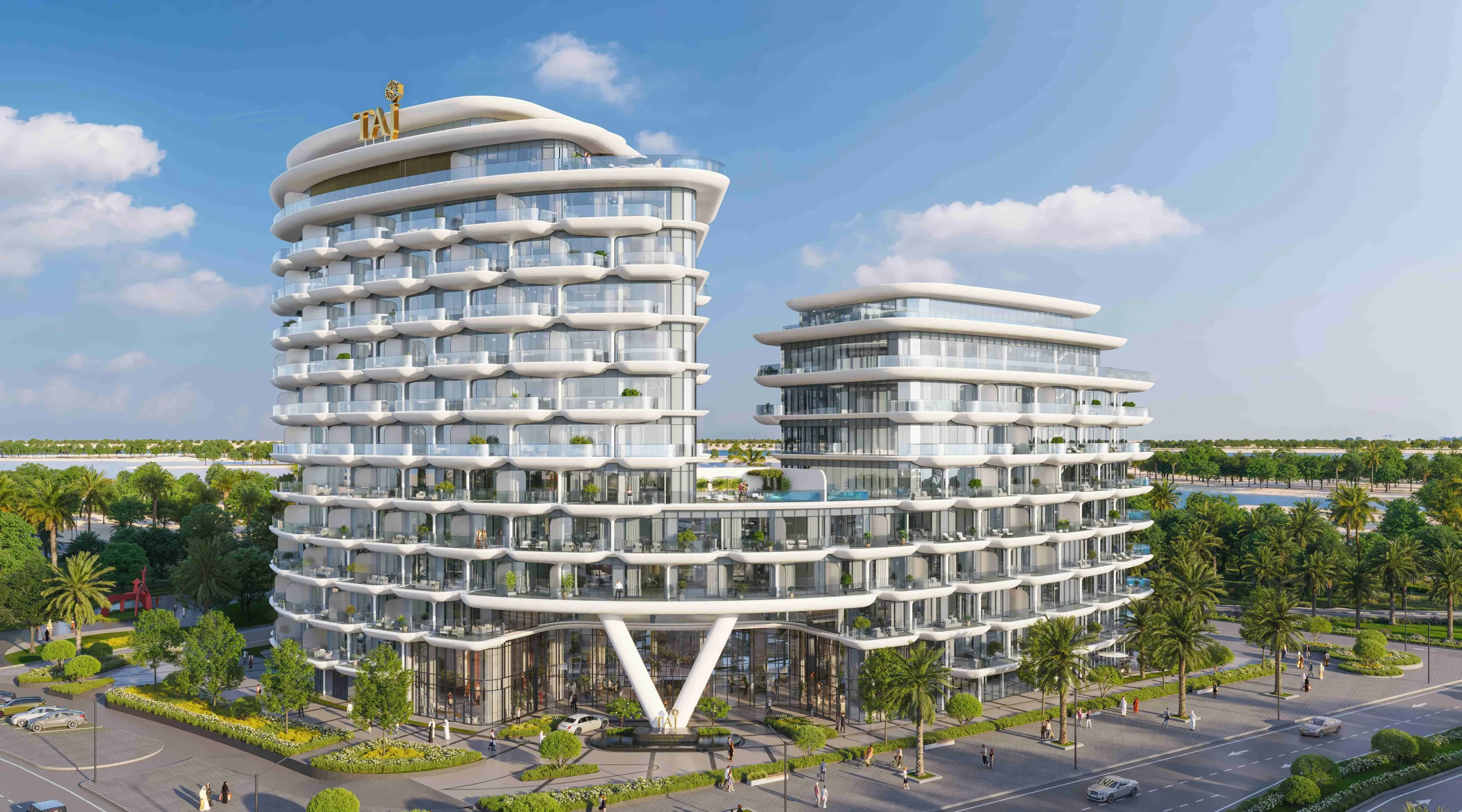 Recent Launch
5
Recent Launch
5

Taj Wellington Mews
Price
₹27 Lac
 Recent Launch
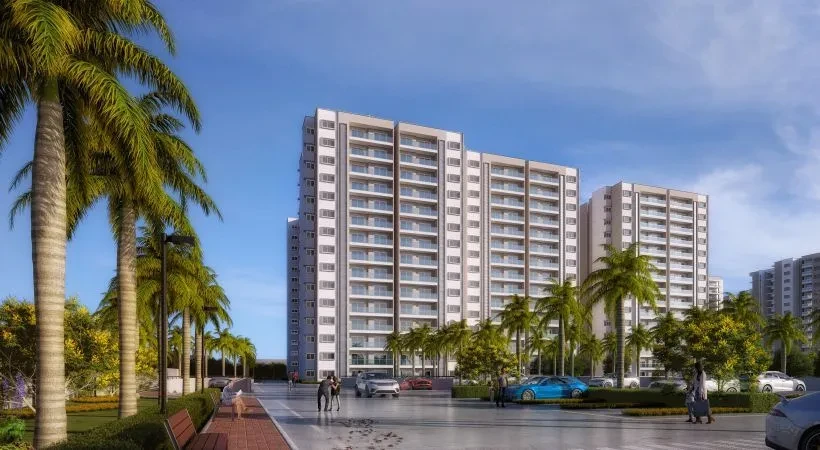
Prestige Pallavaram Gardens
Pallavaram, Chennai, Tamil Nadu
Price
₹1.09 Cr
 Under Construction

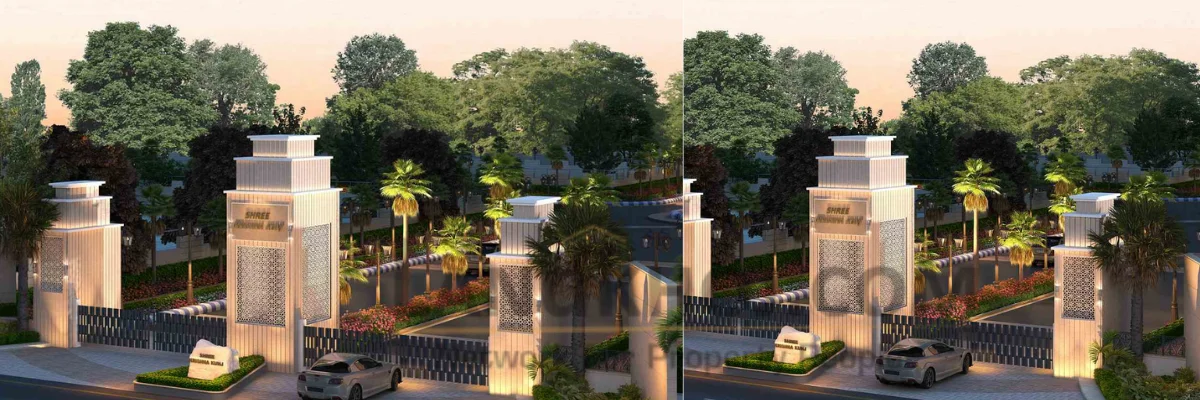
Abhinandan Krishna Kunj Phase 1
Tonk Road, Jaipur, Jaipur, Rajasthan
Properties in Guntur
View all
Commercial properties performing well are those:
- Office spaces and corporate buildings
- Retail showrooms and food outlets
- Clinics, coaching centers, and co-working spaces
The city is a blend of tech districts and business corridors, which have been developed with state of the art facilities and conveniences. These are also located near retail and transit hubs. These assets are attractive to investors because of the rental returns they offer owing to steady footfall and demand from the region.
Lifestyle, Culture & Livability
Guwahati is an incredible city to live in. It successfully marries the best of urban living with nature's gifts. Guwahti has the Deori hills as its natural beauty and besides them, the Kamakhya Temple, Umananda Island, and riverfront areas are the places that attract both tourists and locals. The city has solid cultural roots, a diverse ethnic food tradition, and the nightlife scene that is getting stronger by the day.
Compared to metro cities, Guwahati provides:
- Lower living costs
- Expanding urban amenities
- Strong community-oriented neighborhoods
It is also the home of notable personalities such as Bhupen Hazarika, creating a closed loop effect, Guwahati becomes culturally significant because of them and they get inspired by Guwahati to create.
Real Estate Market Trends & Investment Potential
The Guwahati real estate market is evolving with the characteristics of rapid growth, increasing demand, and widening micro markets. The prices have gone up in the red, hot areas but are still very attractive vis, vis Tier, 1 metros offering a better upside potential.
Investors and buyers are drawn by:
- Strong regional demand from the Northeast
- Infrastructure-led urban expansion
- Increasing rental yields
LandKhoj is a platform that allows buyers and investors to look at verified land and property options in high, growth cities with transparency and trust. To explore the best opportunities in Guwahati, the fastest Growing Premier City, visit https://www.landkhoj.com
Rising fast among Indian cities, Guwahati stands out by turning into a key center for business and property in the northeast. Because it now offers solid roads, schools popping up, better hospitals, plus more shops opening every year, life here feels easier. Where once quiet, today there's movement, people moving in, building homes, setting up offices. Over time, its mix of comfort and opportunity pulls investors who look ahead. Long, term value grows quietly beneath everyday progress. Few spots match its steady climb.
FAQs
1. Is Guwahati a good city for real estate investment?
Yes, It's now among the quickest expanding property hubs in Northeast India. Thanks to massive construction pushes, more business popping up, people moving into the region also play a part. Workers, college, goers, those putting money into homes, many come from nearby areas seeking space here. When set beside major urban centers, costs stay within reach while offering room to grow in value.
2. Why is Guwahati called the gateway of Northeast India?
Home to offices that run things, Guwahati moves goods and people across the region. Roads, trains, planes, rivers, each link every corner of the northeast from this point. Headquarters handling large, scale buying, selling, and shipping plants themselves here first. Because so much flows through it, space for homes and business never stops being needed.
3. Which residential areas are most popular in Guwahati?
High-demand residential areas in Guwahati include GS Road, Six Mile, Beltola, Khanapara, and Dharapur. These locations offer apartments, gated communities, and plotted developments. Proximity to offices, schools, hospitals, and shopping areas makes these zones attractive for families and professionals.
4. What type of housing options are available in Guwahati?
Out by the riverside, you will find high, end homes peeking through trees. Hilltop spots give quiet living with space to stretch out. Flats show up everywhere along new roads pushing into open land. Gated neighborhoods pop up where traffic thins and greenery thickens. Some pick standalone houses just beyond busy zones. Plots sit waiting on edges of town for those who want to build slowly. Mid-range units fill fast in places linked well by bus or metro lines. River views come at a price few manage without saving long. Families settle here while others watch prices grow year after year. Each corner serves someone different, no single type fits all.
5. How does Guwahati’s economy support real estate growth?
Government work powers Guwahati's economy, followed closely by banks, transport networks, buying and selling goods. Regional branches of big companies operate here, alongside public sector units. Because jobs come from many different areas, people keep moving into the city. More workers mean more need for homes, steady rents, growing business spaces. Housing stays busy not because of one industry but a mix that holds firm.
6. Is Guwahati a major healthcare hub?
Yes, Guwahati holds that title for a reason. Big names such as Gauhati Medical College and Hospital bring in people needing care from across several regions. Close by, homes become more sought after when clinics go up nearby. Families tend to stay longer where treatment centers grow deep roots. Those working in medicine often look for places to rent, adding steady pressure on living spaces.
7. How strong is Guwahati’s education ecosystem?
Home to schools such as Don Bosco, Delhi Public School Guwahati, and IIT Guwahati, Guwahati shapes learning in the Northeast. Because students arrive from many corners, teachers follow close behind. Rent stays steady since so many need places to stay. Families often plant roots here after arriving for studies or work.
8. How is connectivity and infrastructure in Guwahati?
Air links, wide roads, rail lines, yet river crossings make Guwahati easy to reach. Elevated routes, broad streets, alongside urban upgrades boost movement slowly. Good access fuels property value gains along several stretches.
9. Is Guwahati suitable for rental income?
Yes, Guwahati sees steady interest from renters, students show up regularly, followed by office workers, people in public sector jobs, then those moving into the city. Locations close to GS Road or Beltola, also spots near colleges and universities, tend to fill fast. With fewer good homes available and more people arriving each year, landlords collect higher returns over time.
10. What is the future outlook of Guwahati real estate?
Looking ahead, Guwahati's property scene gains strength from ongoing infrastructure upgrades. Growth spreads outward because roads improve while digital connectivity strengthens. Smart city plans kick in alongside increasing business setups that spark fresh local hubs. With the region counting on its economy, steady interest from buyers seems likely to hold. Value climbing over time feels almost certain given how things are moving now.