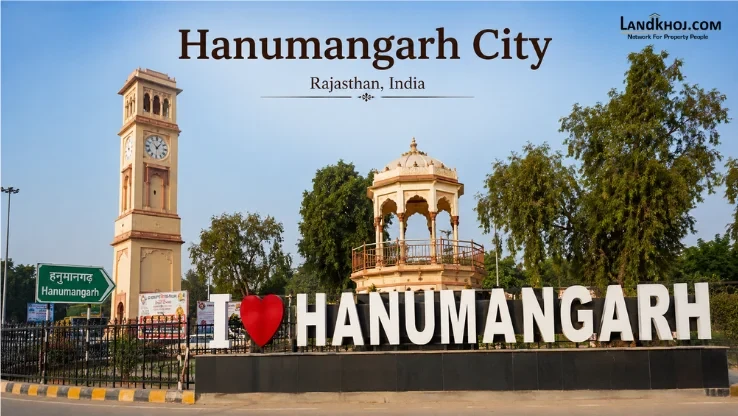
Hanumangarh City
Understanding Hanumangarh's property market starts with knowing what drives the place. Canal irrigation, grain and cotton trade, the railway, district offices, and road links to neighbouring states — these are the things that keep this town moving. Hanumangarh Junction and Town look close on a map but feel quite different on the ground. The Ghaggar river and local irrigation channels also affect certain land pockets in ways that are not always obvious from the outside. So whether you are a farmer, a trader, a working family, or simply someone looking for a place to settle — the decision here comes down to access, land use, drainage, how far the market is, and whether the papers are clean.
How Canal Irrigation Shapes Agriculture, Housing and Land Use in Hanumangarh
Canal water here has done more than support crops. It decided where villages grew, where shops came up, and where transport routes developed. Naturally, areas around these canals see demand for storage, farm input shops, worker housing, and homes for farming families. But canal-side land needs a closer look before you commit. Does the plot actually carry an irrigation entitlement? Where exactly does the watercourse boundary fall? Is there a maintenance strip that limits construction? Has seepage been a problem? Is drainage proper? These are not minor questions — and the answer to any one of them can change the picture completely. Just being near a canal does not mean you get water rights, and it certainly does not make agricultural land legal for construction.
Hanumangarh Junction and Hanumangarh Town as Two Different Property Environments
Junction and Town serve different purposes, and buyers often mix them up. Junction is busier — more trade, more rental activity, railway noise, markets, transporters. The town feels more settled — government offices, older neighbourhoods, schools, civic infrastructure. Actually, many people use both areas going from one to another for hospitals, doing registration work, shopping, or even their workplaces. If you are somehow getting only one, then you must get through the genuine differences: road width, parking drainage, which hospital or school is closer, and whether the house papers are all right. The name of the area alone should not drive the decision.
How Grain, Cotton and Farm Trade Create Demand for Godowns and Commercial Property
A lot of commercial property in Hanumangarh revolves around grain, cotton, and farm produce. The mandi ecosystem pulls in commission agents, storage operators, transporters, and input dealers — all of whom need space to work and somewhere nearby to stay. This creates both business and housing demand in trading zones. That said, a plot near the mandi that works well for a godown or shop may feel quite uncomfortable as a family home. Truck movement, noise, dust, and activity at odd hours are part of that environment. For any commercial use, check land use classification, truck access, road conditions, fire safety compliance, and storage suitability before deciding.
Living Near the Ghaggar River and Understanding Seasonal Land Conditions
Ghaggar river frontage is not a straightforward plus or minus — it depends entirely on where the plot sits. Ground elevation matters. So does how the land behaves when the river swells seasonally. Soil condition, drainage, approach road reliability in the rains, nearby low-lying patches — all of this needs a proper look. Find out where the sewerage and storm water go, ask locals about past waterlogging, and check whether any environmental rules apply to that stretch. One visit in summer tells you one thing. Coming back after the monsoon often tells you something completely different.
How Rajasthan–Punjab–Haryana Movement Influences Transport and Roadside Property
Hanumangarh sits at a point where movement towards Punjab, Haryana, Sri Ganganagar, and Bikaner is constant — passengers as well as agricultural goods heading to and from mandis. This naturally brings demand for transport offices, workshops, dhabas, guest houses, warehouses, loading yards, and driver accommodation along the main roads. But roadside property has another side to it — dust, noise, heavy vehicles, risky direct road access, and parking pressure are part of the deal. Before buying, check the road setback, confirm there is a legal entry point, and find out whether any road widening is planned in that stretch. Also worth knowing — Hanumangarh has no metro. Getting around means roads, buses, the railway, or your own vehicle.
New projects to explore
View all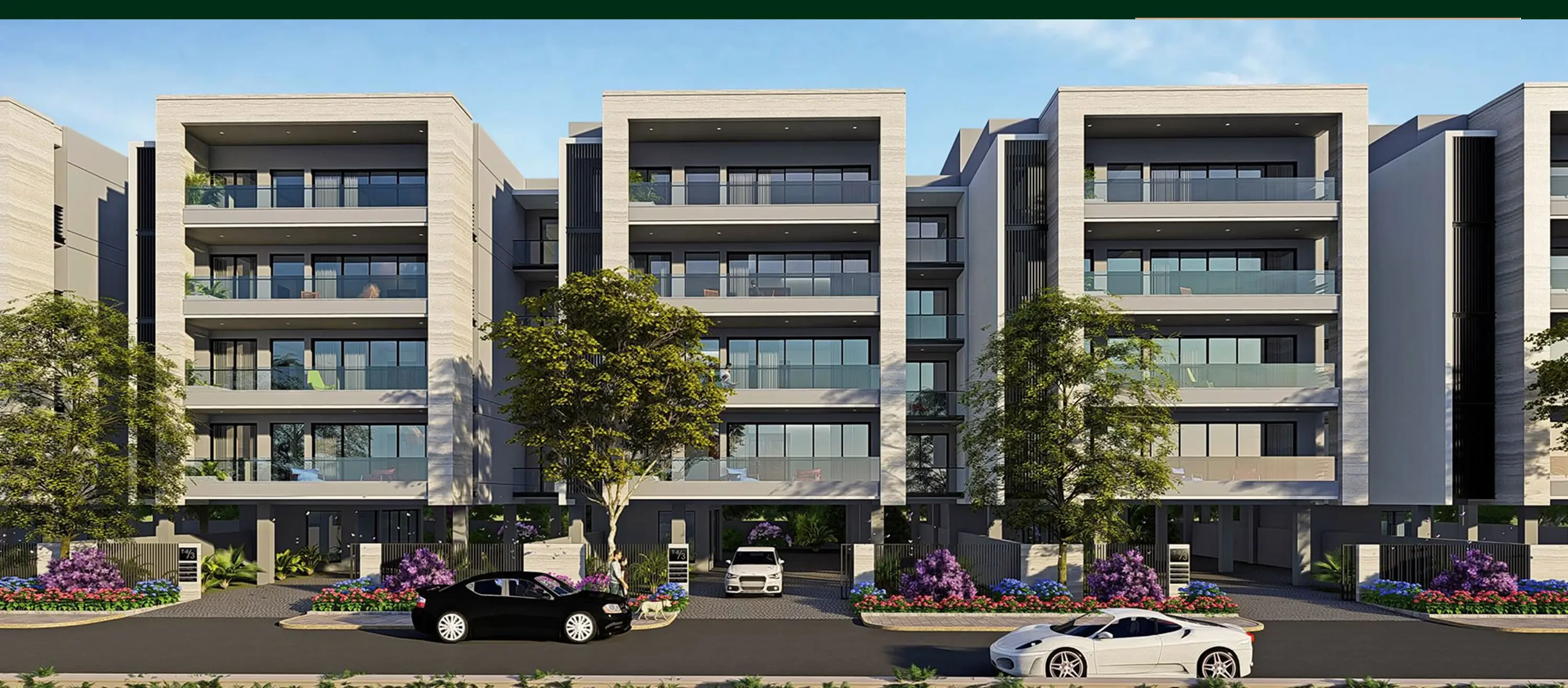 Under Construction
4
Under Construction
4

DLF Garden City Floors
Sector 93, Gurugram, Gurgaon, Haryana
Price
₹1.25 Cr
 Under Construction
11
Under Construction
11

Pelagia
Ras AI Khaimah, AI Marjan Island
Price
₹23 Lac
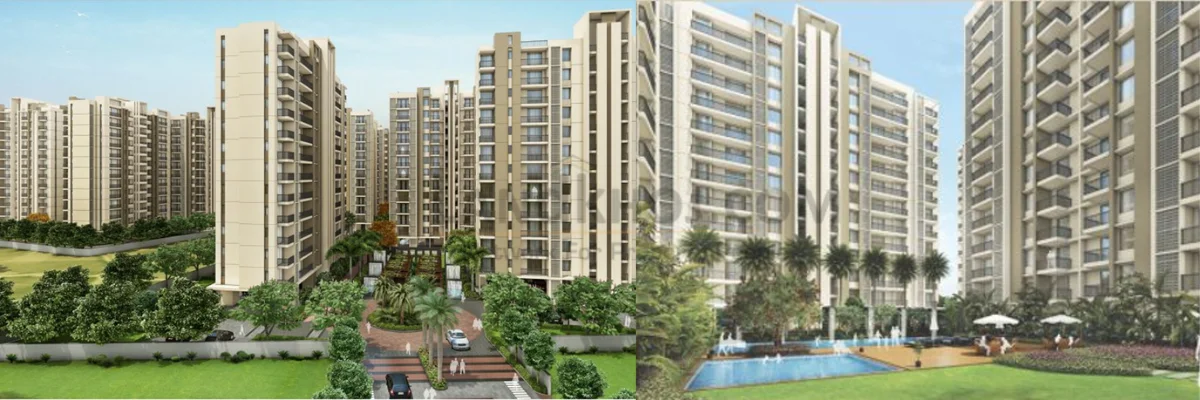 Under Construction

Renaissance Vedanta Phase II
Jagatpura, Jaipur, Jaipur, Rajasthan
Properties to explore
View all
Kalibangan, Bhatner Fort and Heritage-Linked Visitor Activity Around Hanumangarh
Kalibangan and Bhatner Fort bring some visitor movement to the district and give Hanumangarh a certain identity. Around these spots, there can be some scope for guest houses, eateries, local transport, and short-stay services — but only in specific locations that visitors actually pass through. This is not the case for the Hanumangarh market in general. Nowadays if you are planning to buy commercial property near a heritage site then first you need to check issues such as parking availability, road access, building permissions, land use classification, and if any restrictions apply to that area. Do not go in assuming steady visitor footfall will translate into regular income.
How District Services, Railway Access and Local Markets Shape Everyday Housing Choice
A lot of people around would like their house to be in a location where all their daily activities become really easy to do. If you stay close to Hanumangarh Junction Railway Station, District Hospital, Tehsil Office, Sub-Registrar Office, markets, and bus stops, your everyday commuting time will be greatly reduced. These areas also tend to see more rental housing and shop activity. But convenience comes with its own trade-offs — congestion, railway noise, parking trouble, drainage issues, and crowded neighbourhoods. One more thing to be clear about — a government office being nearby does not mean the surrounding colony is approved or that the plot's land use is correct.
What Buyers Should Check Before Purchasing Canal-Side, Agricultural or Outer-City Land
Whatever property you are buying in Hanumangarh, the documents need a full check. Ownership, title history, mutation, encumbrances, khasra details, actual possession, and physical boundaries — these are the basics. For agricultural land, conversion status, land use, Master Plan zoning, approach road, and building permission need separate verification. Canal-side plots require checking watercourse boundaries, maintenance rights, seepage history, and drainage. Near the Ghaggar, ground elevation and monsoon behaviour of that specific site matter a lot. And whatever anyone tells you verbally — about irrigation availability, upcoming colonies, railway expansion, or price appreciation — do not act on it without seeing the actual records and visiting the site yourself.
Conclusion
To get a proper read on Hanumangarh's property market, you need to look at canal irrigation, the different roles of Junction and Town, grain and cotton trade, Ghaggar conditions, and interstate transport links together. Kalibangan, Bhatner Fort, the railway, district services, and local markets each have their own influence on different parts of the district. For early research, LandKhoj at landkhoj.com is a useful starting point — but before you finalise anything, title clarity, land use, access, drainage, and actual site conditions need to be verified on the ground.
FAQs
Is Hanumangarh City good for buying property?
Yes, Hanumangarh works differently for different people. Some are here for farming, some for trade, some run transport businesses, and some are simply looking to settle down with family. Residential, agricultural, commercial — there is something across all three.
Is it better to buy property in Hanumangarh Junction or Hanumangarh Town?
Junction and Town are not the same place, even if they feel close. Junction has the railway, active trading, and constant transport movement — practical for anyone who depends on these things daily. The town has district offices, courts, older established colonies, and a more residential character. A lot of people regularly move between the two for different needs, but when it comes to choosing where to live, look at your own routine — where you work, which hospital you use, where the children go to school. That will tell you more than anything else.
How does canal irrigation affect land and property use in Hanumangarh?
Canal irrigation is what keeps farming going here, and a lot of related activity — storage, transport, input shops — runs alongside it. But when you are looking at land near a canal, "water is close by" is not enough of a reason on its own. Whether legal water rights actually come with that plot, where the watercourse boundary falls, whether there is any seepage history, how drainage works, and whether construction is even permitted there — all of this needs to be checked in the records. Not just taken on someone's word.
Does grain and cotton trade influence commercial property demand?
Yes, the grain, cotton, and farm produce trade creates demand for godowns, warehouses, loading areas, transport offices, and mandi-side shops. Workers and trading families also need housing nearby. But keep in mind — areas with heavy trading activity come with truck movement, noise, and congestion through the day. That environment may work well for a business but can be quite uncomfortable for family living.
What should buyers check when purchasing property near the Ghaggar River?
If you are looking at land near the Ghaggar, start with the ground level. Where does water go during heavy rains, what is the soil like, does the approach road stay usable in the monsoon, is there any low-lying land nearby — these things matter and need to be seen in person. Talk to locals about past waterlogging, check where sewerage outlets go, and find out if any environmental restrictions apply to that stretch. One visit is usually not enough — seeing the site both in dry months and after the monsoon gives you a much clearer picture.
Is canal-side agricultural land suitable for residential construction?
Land near a canal or close to the Ghaggar is not automatically suitable for residential or commercial use. Land use classification, whether conversion permission is needed, how much setback the canal requires, whether there is a proper access road, drainage arrangements, and building approval — all of this needs to be sorted before you commit. Finding out later creates serious problems.
How can buyers verify whether an outer-city plot in Hanumangarh is legally approved?
And before finalising any property — land use, conversion status, approved layout, building permission, revenue records, Sub-Registrar records, municipal limits, and planning authority requirements all need to be properly verified. Missing even one of these can cause trouble later.