
Saharanpur City
Saharanpur is a city in western UP where industry, trade and transport all work together. Wood carving and furniture is what the city is known for — that reputation carries across the country. Paper mills, markets, railway, highways, hospitals, colleges and expanding residential areas all shape how property works here. Whether you're a family, an artisan, a trader, a worker or a local investor, property decisions in Saharanpur mostly come down to practical needs. How far is the workplace, is transport available, are schools and hospitals nearby, how easy is it to reach the market — these are the things that actually drive decisions here.
Introduction to Saharanpur City
Saharanpur isn't just serving its own city residents — people from nearby towns and villages come here regularly too. The railway junction, commercial markets, colleges, hospitals and industries all keep the city moving. So there's a need for homes, rental rooms, shop spaces, workshops, godowns and plots. People looking at property here check drainage, distance from work and nearby facilities — they're not making decisions based on someone telling them prices will go up in the future.
Economic Landscape of Saharanpur
The wood carving and furniture cluster is really the heart of Saharanpur's economy. Artisans, manufacturers, exporters, transporters, showroom owners, family-run workshops — it's a whole ecosystem. The Paper Mill Area industrial belt adds another layer of employment. Then there are the sugar mills, Grain Mandi, Clock Tower Market and Sadar Bazaar keeping trade active. With this kind of mixed economy, housing needs are also varied — workers need homes, some people want to rent out, someone needs a workshop nearby, someone else needs a godown close to a supply route. All of this demand comes from the actual work happening in the city.
Education and Family-Friendly Facilities
Government Polytechnic Saharanpur and DAV PG College serve local students, while Glocal University has added a higher education option for the wider district. These institutions bring students into the city, create some employment, and generate rental demand near roads and transport points. But it's not only about colleges — families looking for a home also think about schools, coaching centres, markets, open spaces and everyday services. Education ends up being one of the factors that decides which neighbourhood works for a family and stays convenient over the years.
Healthcare Access in Saharanpur
District Hospital Saharanpur, SBD Hospital, private nursing homes, clinics, diagnostic centres, pharmacies — all of this genuinely matters to families, elderly residents and working households. Don't settle for checking distance on a map. What actually matters is how long it takes to get somewhere in real traffic conditions. If the road is regularly congested, think about how long an ambulance would take to reach you — that's the question worth asking. Is there a medical shop nearby? These things seem small until you're actually living there, and then they matter more than almost anything else. For many people, how close the hospital is ends up being more important than the size of the house or parking — especially if there's an elderly family member or someone on regular treatment at home.
Transportation and Regional Connectivity
For rail travel Saharanpur Junction is the nearest station. As for road transport, several options like NH-344, NH-709B, UPSRTC buses, local buses as well as shared transport are operating in the area. All the mentioned places, i. e. Delhi Dehradun, Haridwar Muzaffarnagar and even nearby towns are fairly well connected via road. For air travel, one can think about Dehradun's Jolly Grant Airport which is almost 90 km from here or Chandigarh Airport which is about 140 km away. The biggest disadvantage is the absence of the metro. Because of this while you are in the process of selecting a property keep in mind how daily commuting will actually work. A place that seems nice on a map should still be quite feasible to live with everyday.
New projects to explore
View all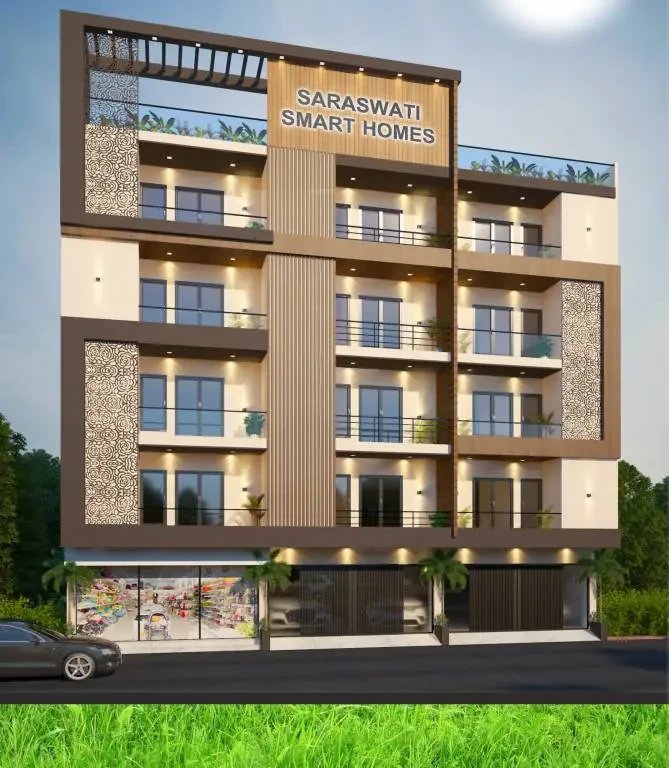 Possession Started

Saraswati Smart Homes
Noida Phase-2, Noida Phase-2, Noida, Meerut, Uttar Pradesh
Price
₹32 Lac
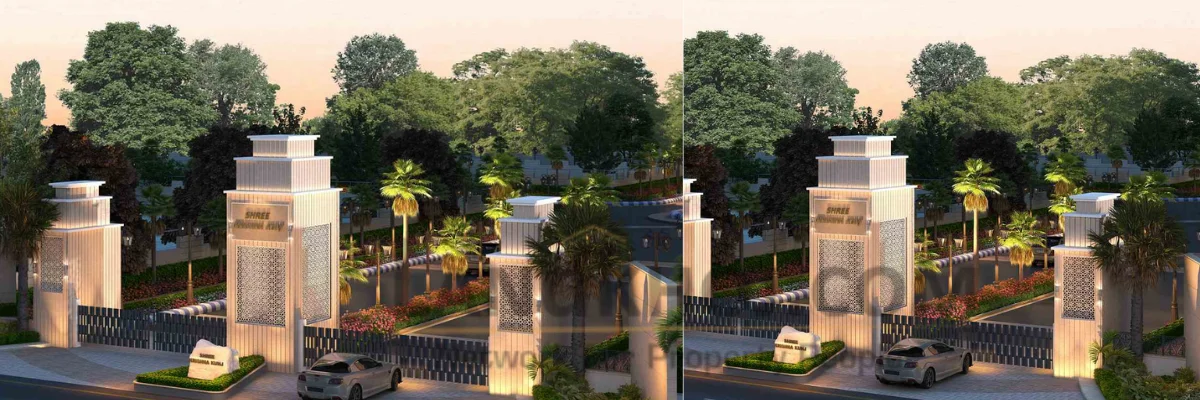 Under Construction

Abhinandan Krishna Kunj Phase 1
Tonk Road, Jaipur, Jaipur, Rajasthan
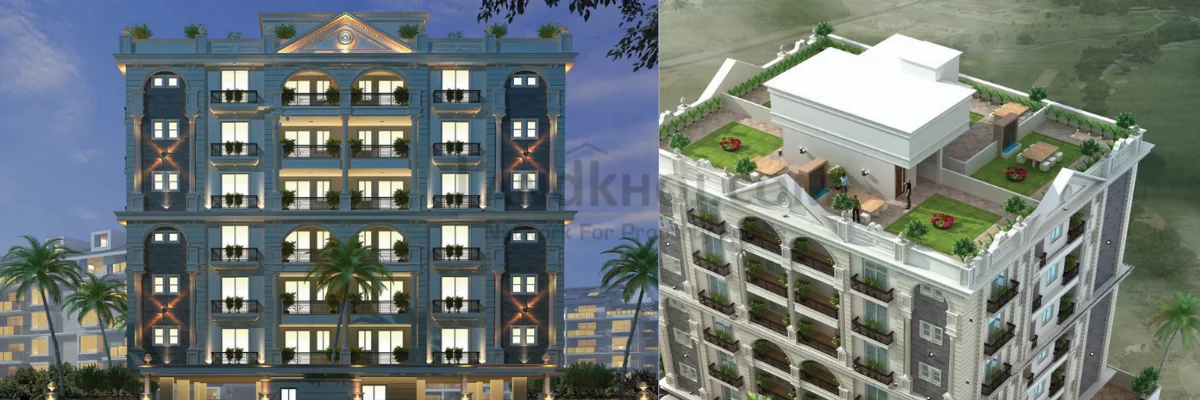 Under Construction

Hamsa Evara
Jagatpura, Jaipur, Jaipur, Rajasthan
Price
₹31.36 Lac
Properties to explore
View all

Infrastructure Development and City Planning
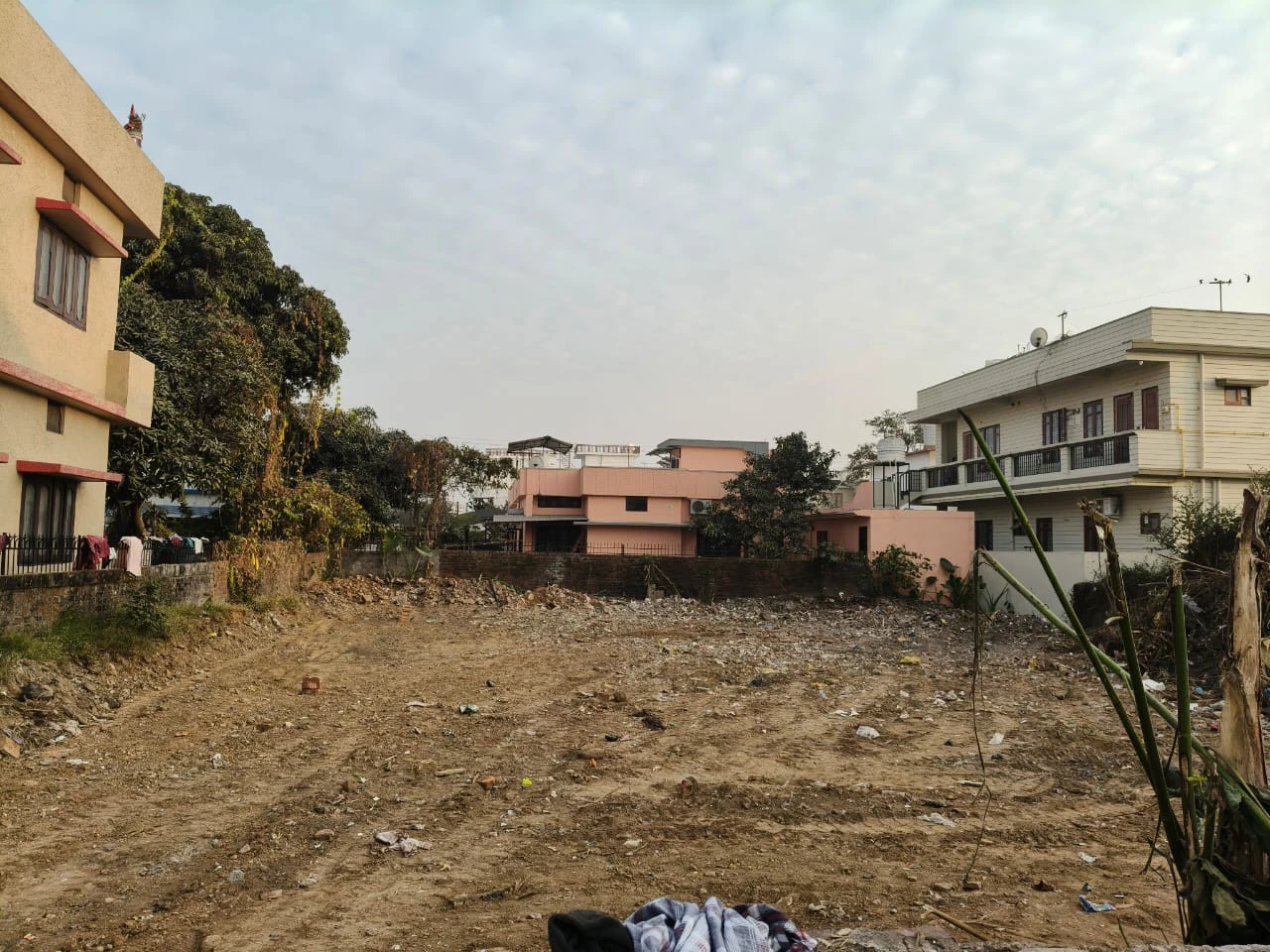
Saharanpur Master Plan 2031 is a framework that outlines how the city is expected to develop going forward — where residential areas will expand, where commercial and industrial zones will come up, how roads, drainage, water supply and public facilities are planned. The Municipal Corporation and planning authorities handle civic services and approvals. But one thing to keep in mind — a master plan on paper doesn't guarantee that everything will be in place within a few years, or that property prices will automatically go up. Before buying a plot, check the land use, look at the sanctioned layout, verify road alignment, find out the approval status, and go through the registration records properly.
Residential Neighbourhoods in Saharanpur
Gill Colony, Paper Mill Road Area and Delhi Road Area are three different options with three different characters. Gill Colony is a settled residential area where daily essentials are already in place. Paper Mill Road is close to industrial employment and has a mix of residential and commercial activity — but it's worth visiting to see what the traffic is actually like and how much industrial movement happens there. Delhi Road draws interest because of its connectivity — there are plots, newer construction, and the city is expanding in that direction. For all three, go and check water supply, drainage, parking, road width, schools, hospitals and property documents before deciding. Don't rely on what someone else tells you.
Real Estate Market Trends in Saharanpur
The property market in Saharanpur has variety — plots, independent houses, rental properties, shop spaces, small godowns and mixed-use properties. Established colonies tend to work better for people buying to live, since the facilities are already there. Delhi Road and other outward areas are an option for those looking for newer housing. Industrial areas do generate rental and commercial demand, but they also come with noise, pollution, congestion and heavy vehicles. So investing in property in Saharanpur makes sense when you're clear about what you actually need, the paperwork is in order, and you've seen the place yourself.
Conclusion
Saharanpur has its woodcraft industry, regional road and rail links, education, healthcare, an urban planning framework and a range of housing options — all of which make it a practically liveable city. But how comfortable daily life actually feels depends on whether you've picked the right neighbourhood and checked what the infrastructure is really like on the ground. You can use LandKhoj at landkhoj.com to browse listings and gather information. But documents, land use, road access and what's happening around the property — verify all of that yourself before making any decision. Don't let online listings be the only thing you go by.
FAQs
Is Saharanpur City good for buying property?
Yes, For people who want to live close to industrial areas, need market access, want schools and hospitals nearby, and need to stay connected through regional transport — Saharanpur can be a practical fit.
Which residential areas in Saharanpur are commonly considered by buyers?
Gill Colony, Paper Mill Road and Delhi Road are three different localities so please don't assume them to be the same. Your decision will be entirely based on your particular set of circumstances where you do your job, how much you can afford and what kind of connectivity you value the most besides your everyday life. A location that one person finds perfect may be a complete mismatch to another one.
How does the wood carving industry affect Saharanpur real estate?
Saharanpur has industry, which means there's employment — and where people come to work, they also need a place to live. That's the straightforward connection that drives housing needs here. Workers need homes, people need rental rooms, there's demand for workshops, godowns, shop spaces and showrooms. All of that activity comes from the industrial base the city has.
Is Delhi Road a suitable area for property buyers in Saharanpur?
Delhi Road is worth looking at for buyers who want road connectivity, are interested in plots, or prefer newer construction. But here too — check the local infrastructure on the ground and make sure the documents are in order before you commit to anything.
How is Saharanpur connected to Delhi and Dehradun?
Delhi and Dehradun plus other neighboring cities are linked to Saharanpur by highway, railway and road modes of transport. Whether it is going to work daily or traveling occasionally for business or family these are the very paths that the people here live on. Saharanpur dwellers are very much dependent on these connections for their everyday activities.
Does Saharanpur City have metro connectivity?
No, There's no metro in Saharanpur — that's straightforward. Local travel here depends on roads, buses, shared transport, the railway and private vehicles. These are the options people actually use every day.
What does Saharanpur Master Plan 2031 mean for property buyers?
The Master Plan is a planning document that outlines how the city is expected to develop — land use, roads, zones, all laid out in a framework. But having that document in place isn't enough on its own. For any specific property you're interested in, verify the current approval status separately.
What should buyers verify before purchasing property in Saharanpur?
When buying property, don't stop at the asking price. Check whether ownership is clear, whether the title history is clean, what the land use is, whether approvals are in place, what the registration records show, whether there's a proper road, how drainage works, whether water supply is reliable, where you'd park, and how much industrial activity is happening nearby. Finding out something is wrong after you've already bought it is when it becomes a real problem — and by then there's very little you can do.