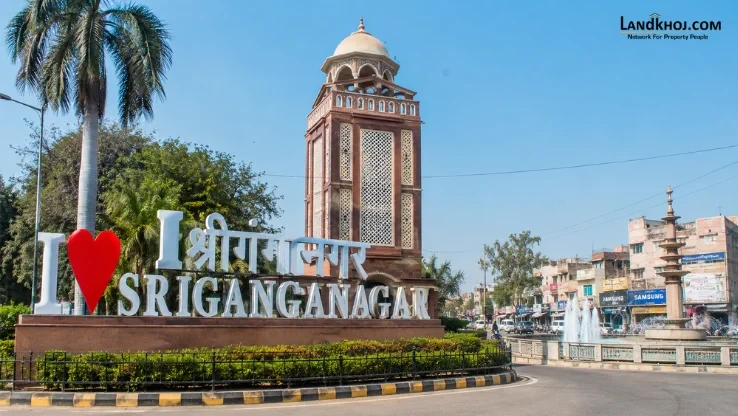
Sriganga Nagar City
Sri Ganganagar City's real estate market is almost entirely dependent on the Ganga Canal system, irrigated cultivation, properly laid out roads, agricultural trade, and connectivity with Punjab. The factors like cotton mustard wheat kinnow mandis, processing units, railway services, and highways determine the requirement for different types of properties, such as homes plots, shop godowns rentals, and worker housing. Property buyers must do a comparative study of the layout of the neighbourhood, the climatic comfort of the place, the water conditions, the legal usage of the land, and the availability and accessibility to the local markets and the modes of transport.
How the Ganga Canal Shaped Sri Ganganagar’s Planned City and Property Pattern
The Ganga Canal did not just support farming — it shaped the entire city. Where roads would come up, where people would settle, where markets would open — most of it happened around the canal. That is why Sri Ganganagar still has those grid-style streets and planned residential blocks. Farming and trading go hand in hand here, so families usually need easy movement between their home, their land, and the mandi. But if you are looking at a plot near the canal, do not just go by what you see — check for water seepage, how drainage works, whether government access is required for maintenance, and most importantly, whether the property has a legal approach road.
Cotton, Mustard and Kinnow Trade as Drivers of Local Commercial Property
Cotton, mustard, wheat, kinnow — the trading activity around these crops keeps the city busy through the year. Farmers, commission agents, transporters, packaging suppliers — everyone needs something. Some are looking for a godown, some need office space, some want a place with loading access. Because of this, commercial property here is not straightforward. A shop being close to the mandi does not automatically make it a good buy — check the road width, how traffic moves during peak season, whether large vehicles can get in and out, and whether the plot is legally approved for your type of use.
How Agricultural Processing Creates Demand for Mills, Godowns and Worker Housing
Ginning mills, oil processing units, flour mills, fruit grading centres — these are a real part of how Sri Ganganagar runs. Still, being close to them implies accommodating trucks, dust noise, and at times power interruptions. Should you think of a house in or nearby these regions, one way to check is the condition of the roads, availability of fresh air, and also how near the industrial activity really is to the residential area.
Living in Sri Ganganagar’s Grid-Planned Sectors and Central Market Areas
Planned residential areas usually offer straight roads, parking space, and a more settled neighbourhood feel. Being near the central market has its own advantages — banks, hospitals, transport, daily needs, all within reach. But it also means more congestion, regular loading and unloading activity, and limited parking. So when comparing areas in Sri Ganganagar, do not just ask whether a location is central — look at how close the school is, how the drainage system holds up, how easy the daily commute will be, and whether the street is wide enough for comfortable living. Putting these things together gives you a much clearer picture than location alone.
New projects to explore
View all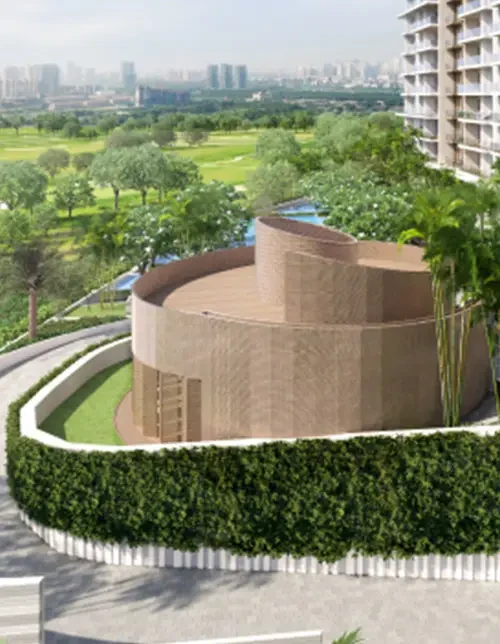 Under Construction
4
Under Construction
4

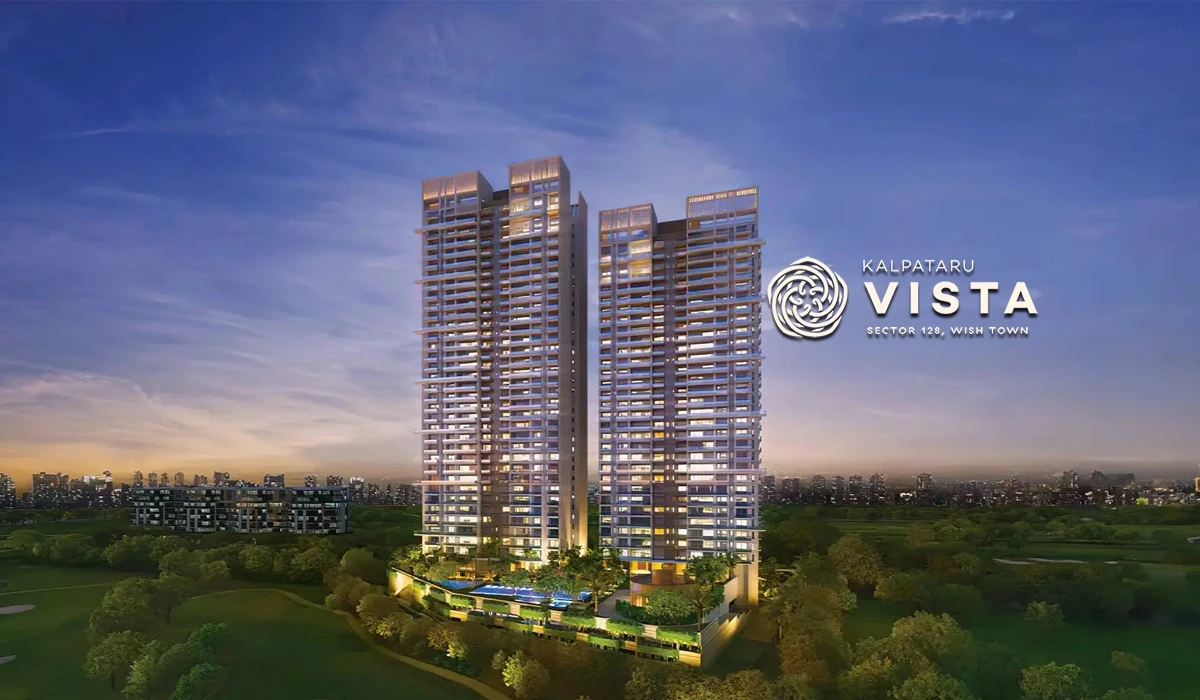
Kalpataru Vista
Sector 128, Noida, Meerut, Uttar Pradesh
Price
₹7.49 Cr
 Recent Launch
5
Recent Launch
5

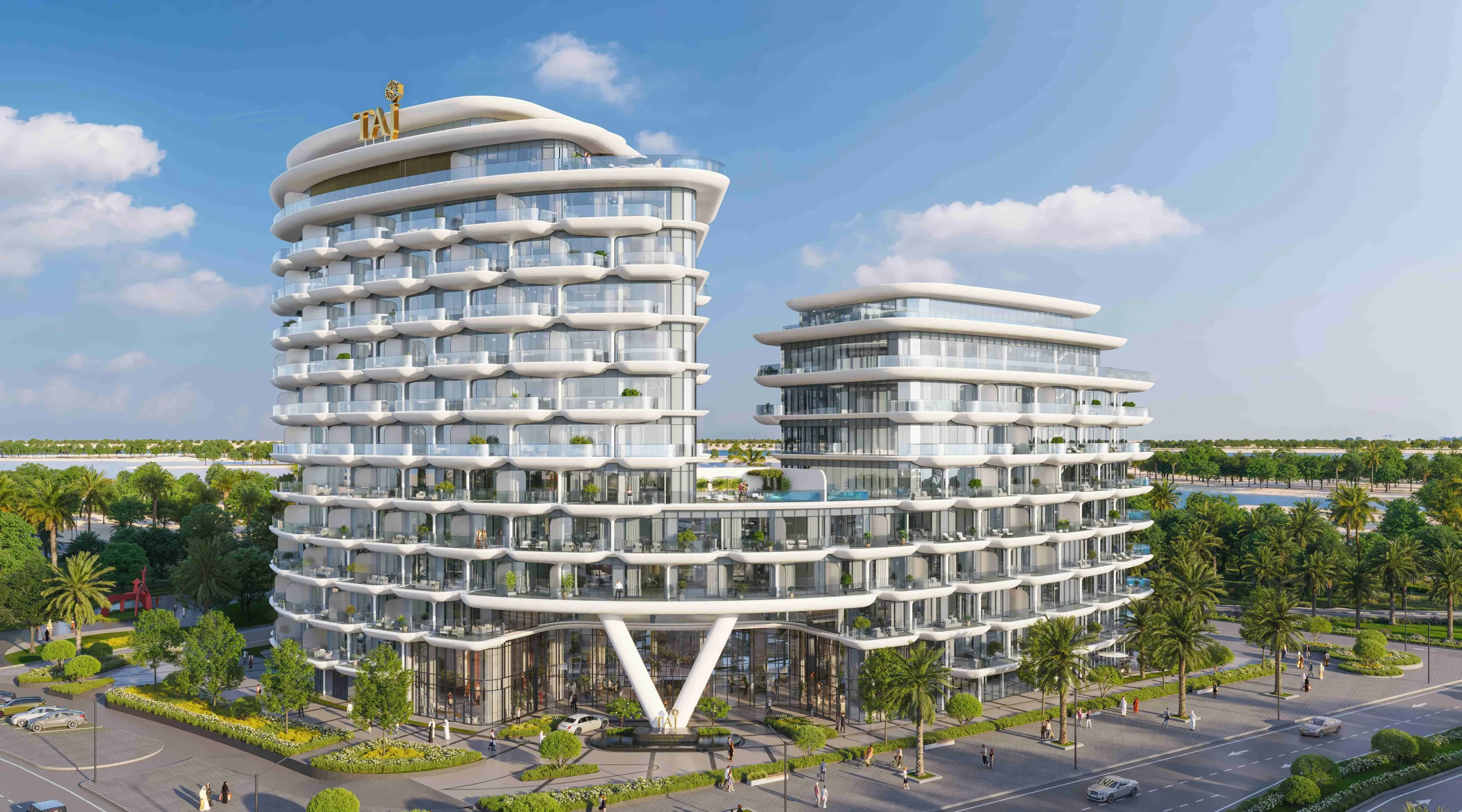
Taj Wellington Mews
Price
₹27 Lac
 Under Construction

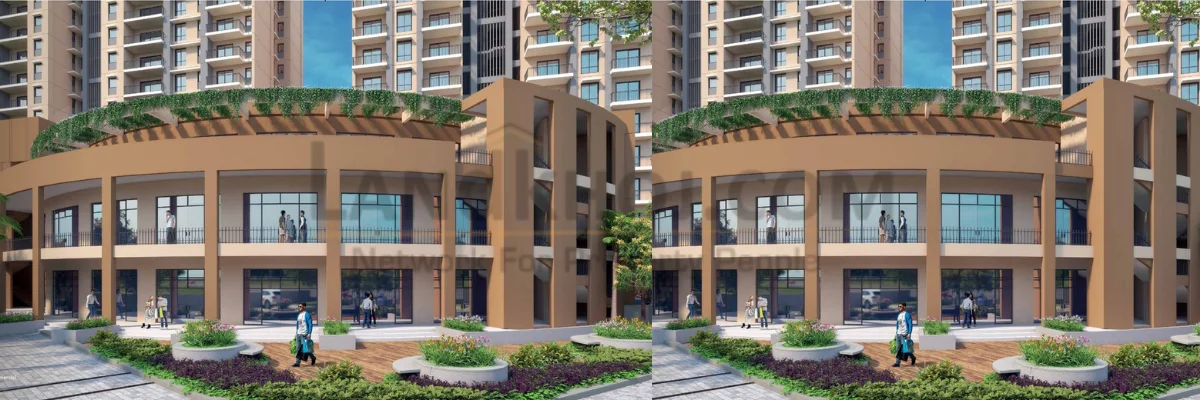
Ashiana Ekansh
Bhakrota, Jaipur, Jaipur, Rajasthan
Properties to explore
View all
How Punjab Border Proximity Influences Lifestyle, Trade and Housing Choice
Being close to Punjab is one of those practical advantages that people in Sri Ganganagar quietly rely on. Roads are not the sole linkages with Abohar, Fazilka and other places in Punjab. There are family tie-ups, frequent journeys for trading purposes and trading itself continues. The guest houses, transport agencies and roadside shops seem to be functioning quite reasonably well along these roads. But be clear about one thing — proximity to Punjab does not mean you get city-level infrastructure. Go and check for yourself how the road actually holds up, how often buses run, how much heavy vehicle traffic there is, and what the last few kilometres look like before you reach your destination.
Extreme Summers, Cold Winters and Climate-Suitable Homes in Sri Ganganagar
When buying a home here, location is only part of the picture — the climate needs equal attention. Summers in Sri Ganganagar are genuinely harsh, winter nights get quite cold, dust is a regular visitor, and fog shows up seasonally. So the way a house is designed actually matters. Which room faces which direction, how much western sun the house takes, whether the roof has any insulation, how hot the top floor gets, whether there is proper cross ventilation, whether the entrance has some shade, whether parking is covered — these are not minor details. In winter, you want sunlight coming into the house as well as some protection from chilly winds. Just having a bigger plot of land doesn't always mean a more comfortable home. Factors like construction quality, shade ventilation, and maintenance are equally important.
Railway, Highway and Mandi Access as Practical Property Location Factors
Railway station highways, bus routes, and mandi roads are the major transit systems that work together to keep the city moving. If you are looking at a shop, godown, or rental property, being near good transport links makes sense. But right next to a station or a busy road also means train noise, constant truck movement, dust, crowds, and a parking headache. There is no metro here, so everything — daily commuting, goods movement, business travel — depends on roads, buses, shared autos, private vehicles, and the railway.
What Buyers Should Check Before Purchasing Canal-Side or Agricultural Land in Sri Ganganagar
If you are buying agricultural land or anything near the canal, go through the documents properly. Check ownership, title history, mutation, encumbrances, khasra details, possession, and whether there are any boundary disputes. Beyond that — what is the land use, will you need conversion permission, what does the Master Plan say, is the layout approved, is there a building permission, and is there a legal access road. For canal-side land, there is more to look at — irrigation entitlement, watercourse status, seepage, waterlogging, salinity, soil condition, electricity, and drainage. If someone is telling you that canal water is assured, or that the land will go commercial, or that a colony is coming up, or that prices will shoot up — none of that replaces actual records and a proper physical visit.
Conclusion
To really understand Sri Ganganagar's property market, you have to look at everything together — the Ganga Canal, the planned grid layout, the cotton, mustard and kinnow trade, the processing units, the Punjab border connection, and the climate. Railway, highway, and mandi access shapes what kind of property works where, and canal-side land needs extra care before any decision. For early research, LandKhoj at landkhoj.com can be a useful starting point — but title clarity, land use, access, water conditions, and your own on-ground verification should always drive the final call.
FAQs
Is Sri Ganganagar City good for buying property?
Yes, Sri Ganganagar can accommodate families, farmers, traders and professionals as well as people looking for residential, agricultural or commercial properties having local demand.
How did the Ganga Canal influence property development in Sri Ganganagar?
In fact it backed up agricultural activities, resulted in the growth of settlements, developed markets, planned roads, and organized the residential development not only in the city but also in the surrounding areas.
Does cotton, mustard and kinnow trade affect commercial property demand?
Yes, such activities generate demand for retail shops, office spaces, Godown warehouses, transport spaces, rental spaces, and mixed-use properties.
Are Sri Ganganagar’s planned residential areas suitable for families?
They will be ideal if the family's requirements for roads, drainage, schools, hospitals, parking, water supply, and legal approvals are fulfilled.
How does Punjab proximity affect property choices in Sri Ganganagar?
This enhances access for family and leisure travel, trade, transport, and business connections, although the actual condition of the road and daily travel time still make a difference.
What type of home is suitable for Sri Ganganagar’s climate?
A house with roofing insulation, panel ventilation, a shaded courtyard, a garage, a water tank, the house being safe from winter drafts and dust are features that make a house comfortable and practical.
What should buyers verify before purchasing canal-side or agricultural land in Sri Ganganagar?
They should check title mutation land use conversion irrigation rights, watercourse boundaries, legal access, soil condition drainage utilities, and approvals.