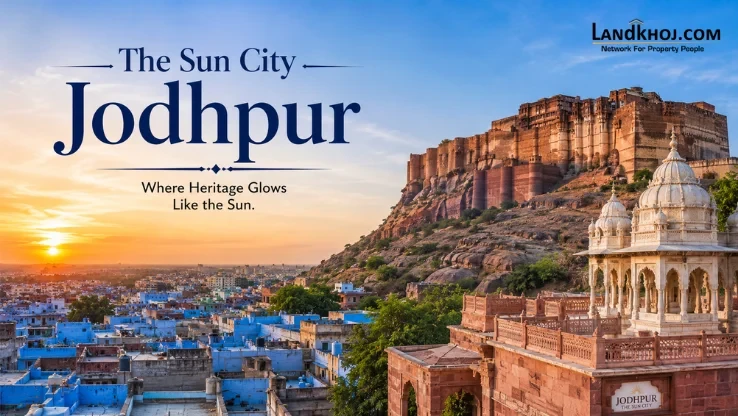
The "Sun City" Jodhpur
Jodhpur is called the Sun City — and that's not just a tourism tagline. The strong sunlight, the desert setting, the blue-painted old houses, the stone buildings, the city's distinct character — all of this is part of how life actually works here. When you're looking at property in Jodhpur, don't just look at the plot or the flat. The climate, the markets, the neighbourhoods, the roads, the water supply, the way homes are built here — all of it is connected. Buyers who understand this going in tend to make better decisions, whether they're a family, a local investor or someone buying their first home.
Why is Jodhpur Called The Sun City?
Jodhpur didn't become the Sun City by accident. Strong sunlight for most of the year is just the reality here — and it's not only about weather. It directly affects what kind of home works in this city, how homes are built, and what living here actually feels like day to day. Strong sunlight for most of the year, a dry desert climate, mostly clear skies — that's the reality here. Which is exactly why older homes in Jodhpur were designed around shade, airflow, open terraces and thick walls. For a buyer, Sun City isn't just a cultural identity — it's also a practical signal about what kind of home will actually feel comfortable to live in over the long run.
How Jodhpur’s Climate Affects Daily Living
Jodhpur's climate has a direct effect on daily life. Summers here are genuinely harsh. Shaded streets, proper airflow inside the house, a reliable water supply, a decent road — these aren't luxury features, they're basic comfort requirements. A home that doesn't get enough cross ventilation or has rooms that bake in direct sun becomes really difficult to manage during peak summer. That's why buyers here look at room direction, open spaces, covered parking, water supply and nearby facilities before they finalise anything.
Traditional Architecture and Cooling Design
The old city of Jodhpur is a practical lesson in what climate-friendly housing actually looks like. The blue houses, stone construction, narrow shaded lanes, thick walls, inner courtyards — none of this was just for aesthetics. Look at the older homes around Mehrangarh — thick walls, narrow shaded lanes, inner courtyards. None of that was for show. Keeping the house cool in summer was the whole point. That part of the city still shows how local architecture figured out how to work with the climate rather than against it. New builders use different materials today, but the basic requirement hasn't changed — a home needs to handle the heat well.
Modern Housing Needs in a Hot City
Today's buyer wants a home that works with Jodhpur's climate and fits a modern lifestyle at the same time. Cross ventilation, larger windows that still have shade, a balcony, covered parking, a water tank, good insulation, lifts in apartments, a practical layout — all of this matters. And it's not just the structure. Location counts too — how far is the school, hospital, market and main road. A good-looking property that becomes uncomfortable to live in during peak summer isn't really a good buy.
New projects to explore
View all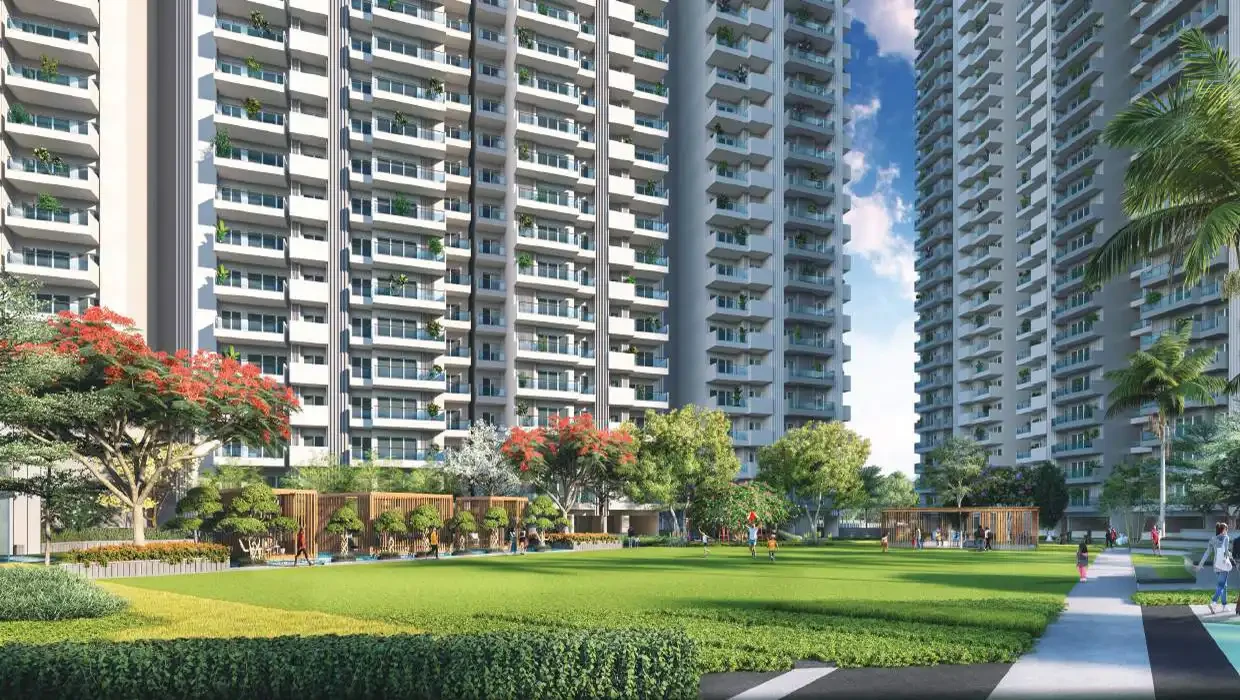 Possession Started

Elite X
Sector 10, Noida, Meerut, Uttar Pradesh
Price
₹2.01 Cr
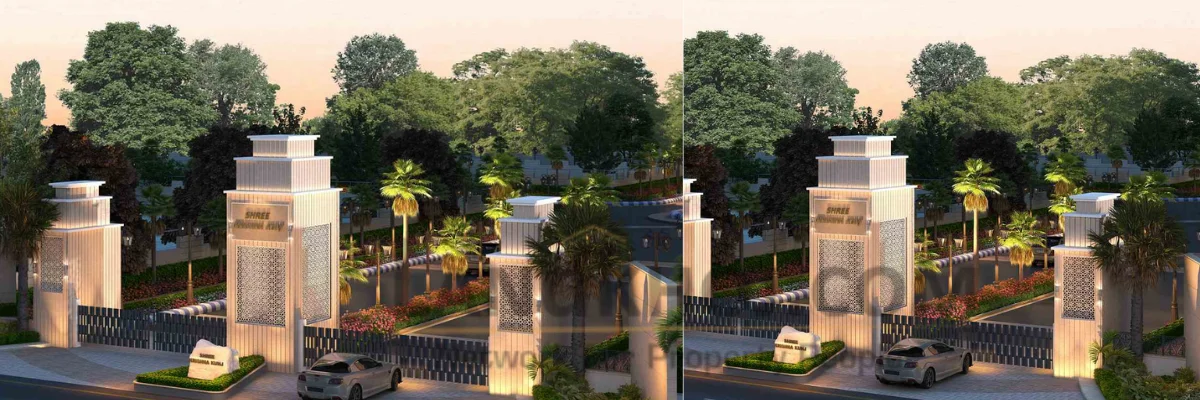 Under Construction

Abhinandan Krishna Kunj Phase 1
Tonk Road, Jaipur, Jaipur, Rajasthan
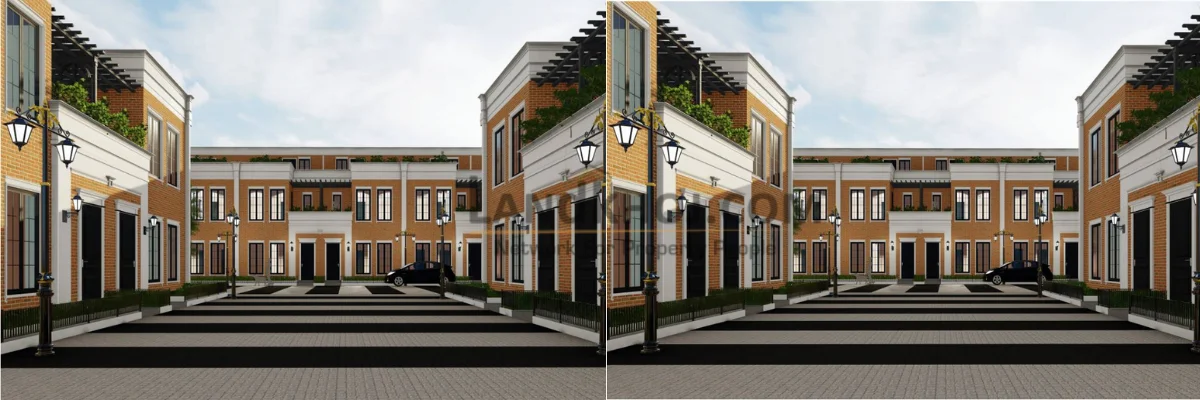 Ready to Move

Savera Palm Green Villas
Sanganer, Jaipur, Jaipur, Rajasthan
Properties to explore
View all
Local Lifestyle Around Markets and Old City Areas
The old city areas have their own appeal — local businesses, food, daily shopping, a certain energy that comes from being close to tourism and trade. Clock Tower Market, Sardar Market, Nai Sarak — these aren't just markets, there's a whole rhythm of life around them. Rental rooms, shop spaces, homes — there's consistent demand for all of it nearby. For people who want market access and that traditional city feel, these areas work well. But visit once before deciding — check the traffic, road width, parking situation and how the crowds move. Don't rely on photos alone.
Growing Residential Areas Beyond the Old City
A lot of buyers are now looking slightly beyond the old city for wider roads, parking and more planned residential layouts. Sardarpura offers a settled city lifestyle. Ratanada works well because of its proximity to Jodhpur Airport and central areas. Pal Road and Chopasni Housing Board attract families looking for residential comfort and daily conveniences. Basni makes sense for people whose work is connected to the industrial side of the city. Every area is different — the right choice depends on your budget, workplace, family needs and how you want to live.
Solar Energy and Sustainable Living Scope
Jodhpur's sunlight makes rooftop solar a genuinely practical option — for independent houses, larger properties or institutions. Over time, it can bring electricity costs down meaningfully. People are also paying more attention to heat-resistant construction, shaded terraces, better insulation and sensible water use. Sustainable living in Jodhpur isn't some abstract idea for the future. It shows up in your electricity bill and your daily comfort right now. Good insulation, a reliable water setup, scope for rooftop solar — these things are useful today, not someday.
What Buyers Should Check Before Buying Property in Jodhpur
When you're evaluating a property, go beyond the rate and the location. Is the water supply reliable, is there decent airflow, how wide is the road, where will you park, does the drainage actually work, and honestly — will that house feel liveable during peak summer? Check all of this before you decide. Factor in connectivity too — Jodhpur Junction Railway Station, the airport, main roads, buses and local transport all matter. There's no metro here, so road access becomes even more important. And before signing anything, verify the documents, approvals and local authority records. Finding out something is wrong after the fact helps nobody.
Conclusion
Buying a home in the Sun City can be a good decision — if you go about it the right way. A home that suits the climate, a market nearby, decent connectivity, the right neighbourhood, these things together decide whether a place is actually worth living in. Browsing listings on LandKhoj or landkhoj.com is easy, but scrolling through photos only gets you so far. Think about how you actually want to live, think about comfort over the coming years — then decide which property genuinely makes sense for you.
FAQs
Why is Jodhpur called The Sun City?
Since Jodhpur is exposed to the sun rays mostly throughout the year, it is no wonder that this is why it is named The Sun City. This sunny and dry weather also has impacts on architecture, day-to-day living comfort, and the things that buyers like.
Is Jodhpur good for buying property?
Yes, Jodhpur is suitable for housing buyers who want a combination of heritage appeal, availability of local markets, educational institutions, healthcare centers, and well-established residential areas. A proper neighborhood must be selected per lifestyle and everyday requirements.
Which residential areas in Jodhpur are good for families?
Families normally consider Sardarpura Ratanada Pal Road, Chopasni Housing Board, and certain parts of Basni for their residences. These localities have proximity to markets, schools, roads, and other essential daily facilities.
What should buyers check before buying property in Jodhpur?
It is imperative for buyers to inspect the water supply ventilation road with parking drainage, legal paperwork, and also the proximity to hospitals, schools markets, railway station, and airport.
Does Jodhpur’s climate affect home buying decisions?
Yes, Jodhpur's warm and dry weather has its impacts on home buying decisions. Typical buyers tend to opt for houses that have good ventilation, paved areas, adequate water storage, and heat-resistant architecture.
Is rooftop solar useful for homes in Jodhpur?
Yes, solar panels installed on the rooftop of Jodhpur homes can be an advantage as the city receives strong sunlight practically the whole of the year. This might cause significant energy cost savings, mainly when it comes to independent residences and bigger homes.
Does Jodhpur have metro connectivity?
No, there's no metro in Jodhpur — that's just the ground reality. Daily travel here runs on roads, local transport, buses, the railway junction and the airport. Connectivity needs to be figured out based on these options, keeping your daily routine in mind.
Is the old city area of Jodhpur good for property buyers?
Living in the old city might be attractive to buyers who want to have close access to markets, rental activities, and experience the traditional city life. Yet, traffic conditions, parking road width, and crowd dynamics should be thoroughly examined.