
Introduction
Buying a property in India usually involves applying for a home loan. While many people focus on eligibility, interest rates, and EMI calculations, the home loan approval process itself is something buyers often don’t fully understand.
From submitting your application to receiving the final loan disbursement, banks follow a structured verification system to make sure the borrower and the property both meet lending requirements.
Understanding this process can help you avoid delays, reduce the chances of loan rejection, and prepare the right documents at the right time.
In this guide by Landkhoj, we explain the complete home loan approval process in India step by step, including how banks verify your income, how property legal checks work, what a sanction letter means, and how the loan amount is finally released.
This guide is especially useful for first-time property buyers, salaried professionals, self-employed individuals, and investors planning to purchase residential property in India.
Table of Contents (Index)
| Section | Topic |
|---|---|
| 1 | How to Apply for a Home Loan in India |
| 2 | Bank Verification Process |
| 3 | Property Verification & Legal Check |
| 4 | Home Loan Sanction Letter |
| 5 | Home Loan Disbursement Process |
| 6 | Home Loan for Different Property Types |
| 7 | Home Loan for Residential Plots |
| 8 | Home Loan for Under-Construction Property |
| 9 | Home Loan for Ready-to-Move Flats |
| 10 | Farmhouse Loan Rules in India |
| 11 | Property Issues That Can Cause Loan Rejection |
1. How to Apply for a Home Loan in India
You can apply for a home loan through two common methods.
Online Application
Most banks allow borrowers to apply online through:
-
Bank websites
-
Loan aggregator portals
-
Digital loan platforms
Online applications are faster and allow easy document uploads.
Offline Application
You can also apply by:
-
Visiting a bank branch
-
Applying through a property consultant or loan advisor
During the application stage, the bank will ask for:
-
Personal details
-
Employment or business information
-
Income proof
-
Property details
-
Loan amount required
Providing accurate information at this stage is extremely important. Even small mistakes can slow down the approval process.
2. Bank Verification Process Explained
After receiving the application, the bank begins verifying the borrower’s financial profile.
The verification process usually includes:
-
Employment verification (office call or visit)
-
Residence verification
-
Bank statement analysis
-
Income verification
-
Credit score validation
For self-employed individuals, banks may also conduct business verification to confirm the stability of the applicant’s income.
This step ensures that the borrower has the financial capacity to repay the home loan comfortably.
3. Property Verification and Legal Check
Even if a borrower qualifies financially, the bank will still verify the property before approving the loan.
This is one of the most important stages in the home loan process.
Banks usually check:
-
Property ownership title
-
Legal clearance of the land
-
Approved layout and building plans
-
Local authority approvals
-
Property market value
If the property has legal disputes, missing approvals, or documentation issues, the loan application may be rejected.
New projects to explore
View all Under Construction
3
Under Construction
3

Godrej South Estates
Okhla, New Delhi, Delhi
Price
₹2.3 Cr
 Recent Launch
Prestige Pallavaram Gardens
Pallavaram, Chennai, Tamil Nadu
Price
₹1.09 Cr
 Under Construction

Hamsa Evara
Jagatpura, Jaipur, Jaipur, Rajasthan
Price
₹31.36 Lac
Properties to explore
View all

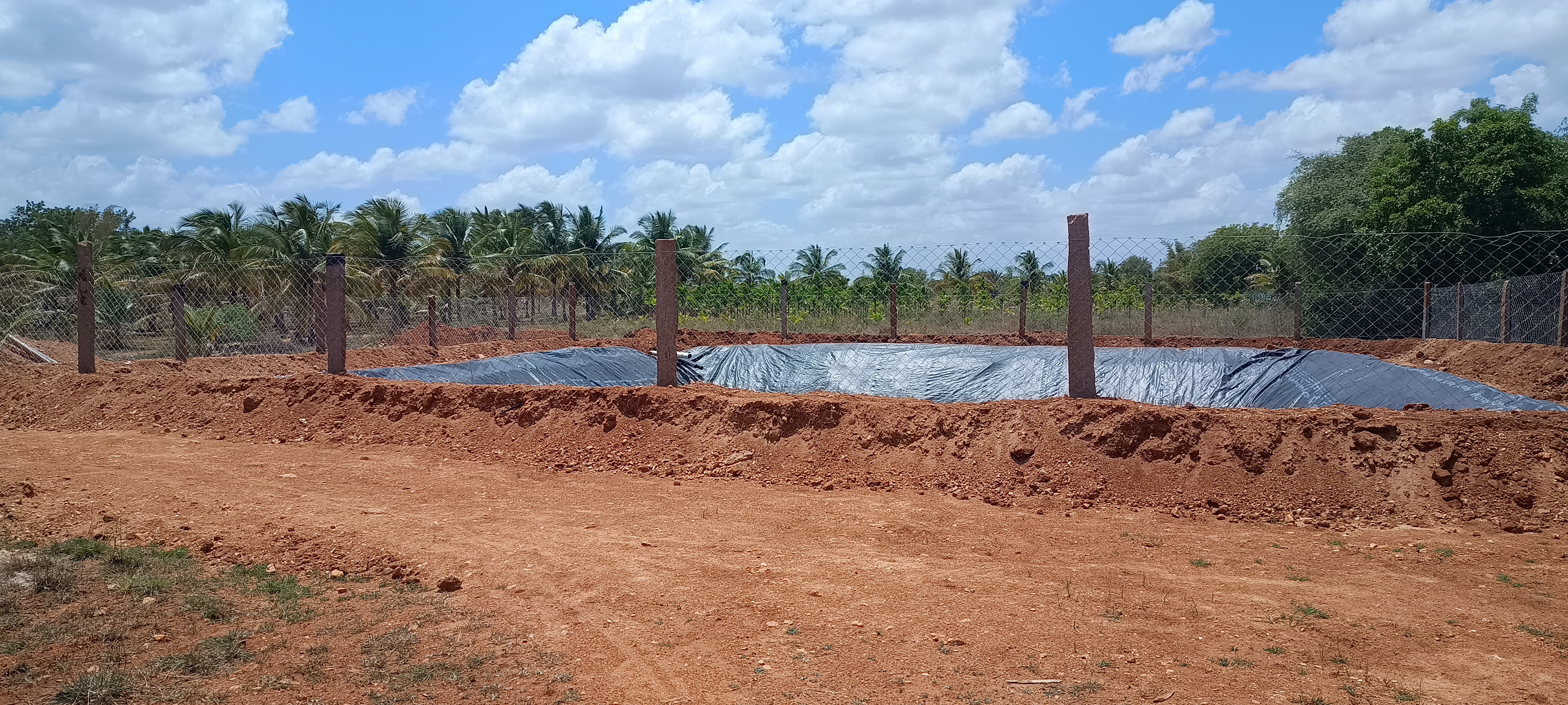
For this reason, buyers should always verify property documents before paying any booking amount.
4. What Is a Home Loan Sanction Letter?
Once the bank completes personal and property verification, it issues a home loan sanction letter.
This document confirms that the bank is willing to provide the loan.
The sanction letter typically includes:
-
Approved loan amount
-
Applicable interest rate
-
Loan tenure
-
Monthly EMI estimate
-
Special conditions (if applicable)
The sanction letter is usually valid for a limited period, allowing the buyer time to complete the property transaction.
5. Home Loan Disbursement Process
Disbursement refers to the actual release of the loan amount.
The disbursement method depends on the type of property.
Ready-to-Move Property
The bank releases the full loan amount directly to the seller or builder.
Under-Construction Property
Loan disbursement happens in stages based on construction progress.
Plot + Construction Loan
Funds are released gradually as the construction work progresses.
Banks usually transfer the money directly to the seller or developer rather than the buyer.
6. Home Loan for Different Property Types
Not every property type qualifies for the same home loan rules. Banks evaluate property eligibility before approving financing.
7. Home Loan for Residential Plot
Loans for residential plots are different from standard home loans.
Important points include:
-
Lower loan eligibility
-
Shorter repayment tenure
-
Construction timeline requirement
-
Plot must be in an approved layout
Plot loans are commonly available in expanding metro suburbs.
8. Home Loan for Under-Construction Property
Banks do offer loans for under-construction projects but with additional checks.
Important factors include:
-
Builder reputation
-
Project approval status
-
Construction progress
-
RERA registration
In many cases, borrowers pay pre-EMI, which means only interest payments until possession.
9. Home Loan for Ready-to-Move Flats
Ready-to-move properties are usually the easiest to finance.
Advantages include:
-
Faster loan approval
-
Lower legal risk
-
Immediate possession
-
Clear EMI planning
Because of these benefits, many first-time buyers prefer ready-to-move homes.
10. Farmhouse Loan Rules in India
Financing a farmhouse can be more complicated.
Many banks avoid providing loans for farmhouses because:
-
Land-use permissions may be unclear
-
Agricultural land is often not eligible
-
Location restrictions may apply
Buyers should confirm loan eligibility before making any property payment.
11. Illegal or Disputed Property Loan Issues
Banks will reject home loan applications if the property has legal complications.
Common issues include:
-
Unapproved layouts
-
Missing land-use conversion
-
Legal disputes
-
Encroached land
At Landkhoj, we strongly recommend checking property loan eligibility before finalizing the purchase.
Conclusion
Understanding the home loan approval process in India can make property buying much smoother and less stressful.
From submitting the application to completing bank verification, property checks, sanction approval, and final loan disbursement, each stage plays an important role in ensuring a secure lending process.
For buyers, the best approach is to prepare documents in advance, maintain a strong credit profile, and verify property legality before applying for a loan.
At Landkhoj, we always advise property buyers to research thoroughly and choose both the right property and the right lender. With proper preparation and the right guidance, the home loan approval process can be completed smoothly and efficiently.
FAQs
-
How long does home loan approval take in India?
Home loan approval typically takes between 3 to 10 working days depending on documentation, bank verification, and property legal checks.
-
What is the first step in the home loan process?
The first step is submitting a home loan application with personal details, income proof, and property information.
-
What is a home loan sanction letter?
A sanction letter is a document issued by the bank confirming the approved loan amount, interest rate, tenure, and loan conditions.
-
Can a home loan be rejected after sanction?
Yes, if property verification fails or major discrepancies appear in documents, the bank may cancel the loan even after initial approval.
-
Who receives the home loan disbursement amount?
The loan amount is usually transferred directly to the property seller or builder, not to the buyer.
-
Can I get a home loan for a residential plot?
Yes, banks offer plot loans, but they usually have shorter tenures and require construction within a specific timeframe.
-
Why do banks verify property documents for home loans?
Banks verify property documents to ensure there are no legal disputes, ownership issues, or approval problems with the property.