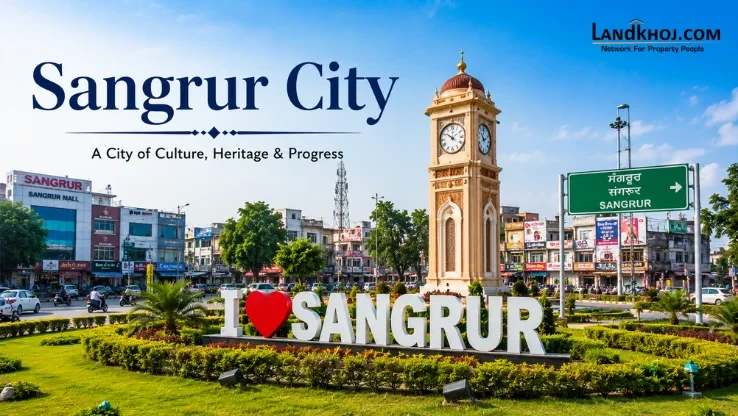
Sangrur City
Sangrur is a district centre in Punjab where administration, agricultural trade, education, healthcare and everyday residential needs all come together in one place. People looking at property here aren't only thinking about investment — there are families, traders, professionals and people whose work is tied to farming and agri-based businesses. Colleges, hospitals, grain trade, government offices, railway and road access, and established neighbourhoods — all of this shapes the property market here. It works for end-users, and also for local investors who want a market driven by real, steady need.
Introduction to Sangrur City
Sangrur has a certain character to it — it's a city where government work, education, local trade and the needs of surrounding villages are all mixed into daily life. People come in from nearby towns and villages regularly — for official work, medical visits, college admissions, shopping, business. This constant movement keeps local markets active and keeps residential demand going. For homebuyers, Sangrur is practical because the things you need daily — government offices, schools, hospitals, transport, markets — are all within reachable distance.
Economic Landscape of Sangrur
A large part of Sangrur's economy runs on farming and everything connected to it. Agro-based industries, food processing units, Grain Mandi Sangrur, Main Bazaar Sangrur — these are the backbone of local business here. Traders, transporters, labourers, small shopkeepers, service providers — there's work for all of them. And where there's work, there's a need to live nearby — homes, rental rooms, shop spaces. The demand in Sangrur's property market comes from this ground-level need, not from speculative interest.
Education and Family-Friendly Facilities
For families looking at property in Sangrur, the colleges and schools here are an important factor. Shaheed Udham Singh Government College, Government Polytechnic College Sangrur, Guru Teg Bahadur College — these draw students from the city and surrounding areas. When families buy a home, they want colleges, schools, coaching centres, markets and transport all reasonably close. And where students come, rental demand follows — for working staff as well as students coming from outside. So keeping educational access in mind while looking at property in Sangrur is a sensible move.
Healthcare Access in Sangrur
When finalising a home, how far the hospital is comes up for almost every family. Whether there are young children, elderly members or someone on regular treatment — medical access needs to be close. Civil Hospital Sangrur, District Hospital Sangrur and the city's private nursing homes serve both city residents and people coming in from nearby villages. For families living near these facilities, there's a certain peace of mind — you're not scrambling to figure out where to go in an emergency. It's not just a checkbox. It genuinely decides whether a locality works for a family or not.
New projects to explore
View all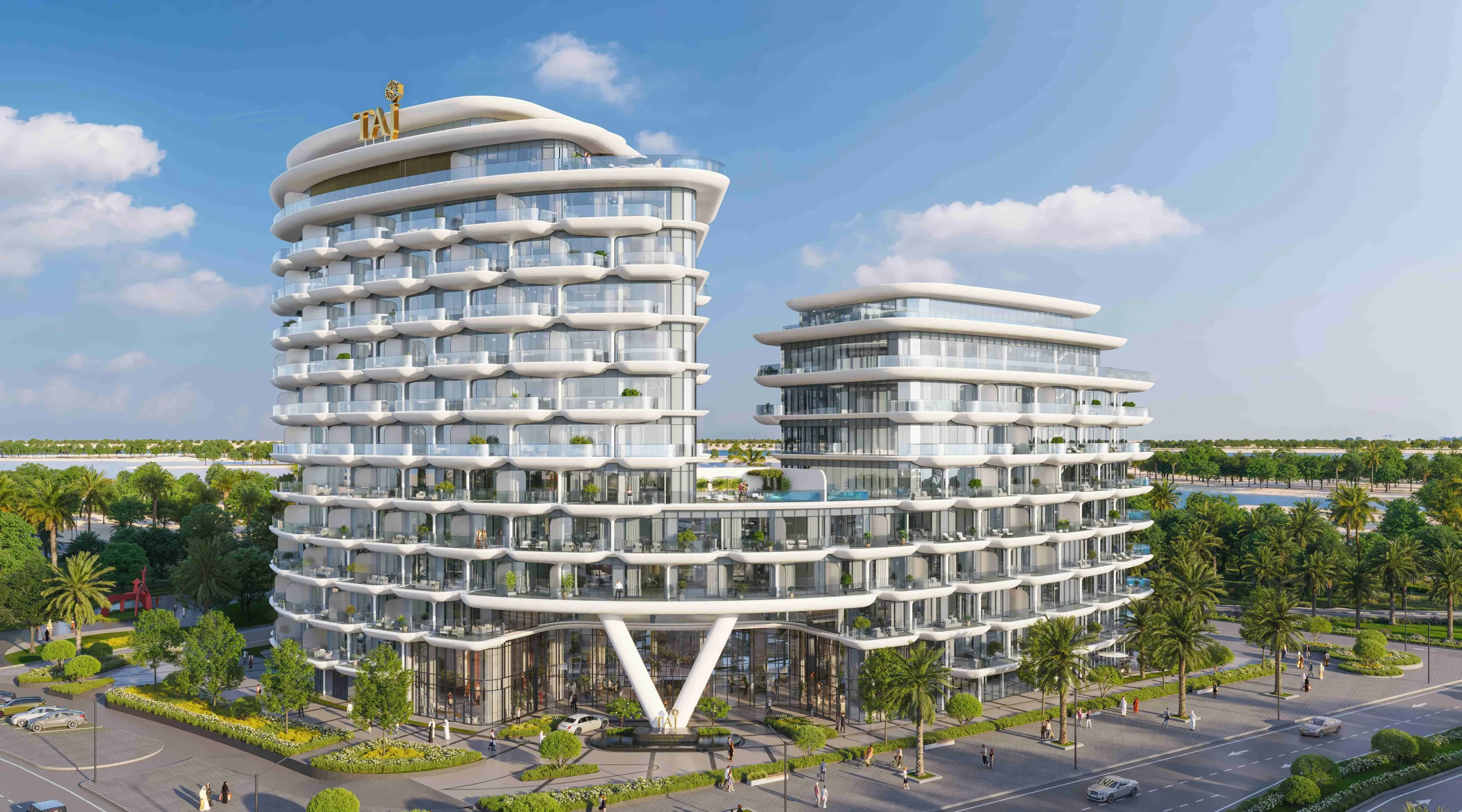 Recent Launch
5
Recent Launch
5

Taj Wellington Mews
Price
₹27 Lac
 Ready to Move

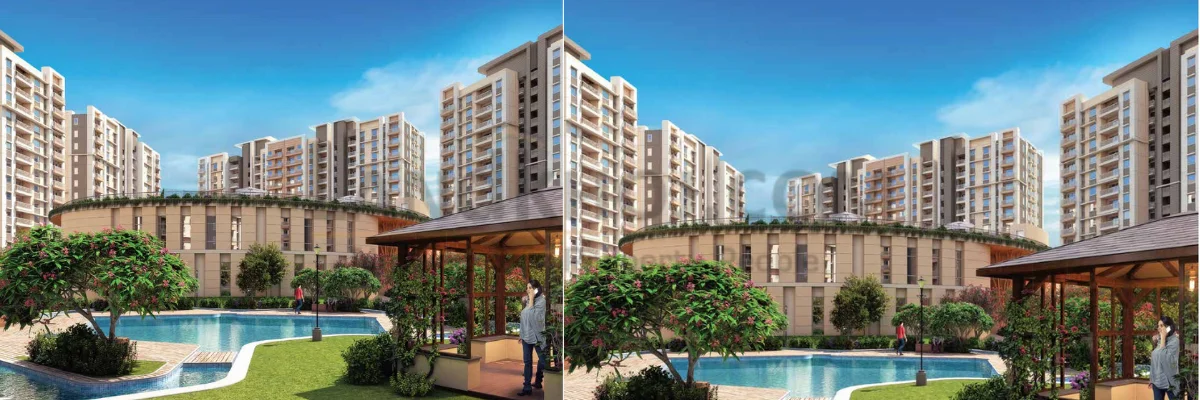
Ashiana Amantran
Bhakrota, Jaipur, Jaipur, Rajasthan
Price
₹43.38 Lac
 Under Construction

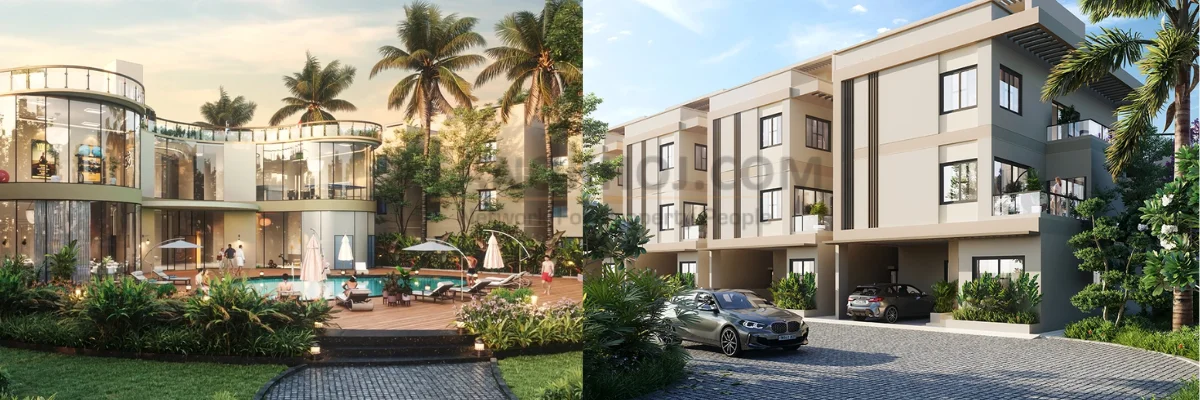
Shubhashish Forest Phase I
Mahapura, Jaipur, Rajasthan
Properties to explore
View all
Transportation and Connectivity
There's no metro in Sangrur — that's just the reality. Daily travel here runs on roads, railway, buses and local transport. Sangrur Railway Station handles regional movement, and Punjab Roadways Bus Stand Sangrur has regular buses to nearby towns. NH-7 is close by, and state highways connect the city to both Patiala and Ludhiana. Chandigarh International Airport is around 120 km away — useful for occasional longer travel, but not something that factors into daily life. So when you're looking at property here, road access and public transport connectivity deserve serious attention — that's what you'll actually depend on every day.
Public Services and Civic Infrastructure
Sangrur is a district city, which means there's a whole set of government offices here. Municipal Council, Deputy Commissioner Office, Tehsil Office, Sub-Registrar Office, District Courts, Police Lines — all of it is here. What that means practically is that land records, registration, civic permissions, legal work — it all happens here. Anyone buying or selling property will have to deal with these offices at some point. Living in or close to the city makes that process easier — less running around, less time lost.
Residential Neighbourhoods in Sangrur
When people look for a place to live in Sangrur, the first things they check are road condition, how close daily essentials are, and how easy the commute is. Model Town Sangrur is an established residential area — families who want a settled, familiar neighbourhood tend to prefer it. Sunam Road Area works for buyers who need good road connectivity and want to explore growing residential options. Dhuri Road Area is popular among local buyers, traders and working people because the location and connectivity both make practical sense. Each of these areas has something different going for it — pick based on what your budget and daily needs actually look like.
Real Estate Market Trends in Sangrur
Putting money into property in Sangrur makes sense when you understand what people here actually need. There's demand for plots, independent houses, smaller residential properties, rental homes near colleges, and commercial spaces around markets and well-connected roads. Traders, families, government employees, students, people tied to agri-trade — everyone has a different requirement. This isn't a market chasing luxury housing. What matters here is the right location, clean paperwork, transport access, basic facilities and a place where you can comfortably live for years.
Conclusion
A good property decision in Sangrur comes from looking beyond just the rate and the size. The livability, the agro-trade economy, the colleges and hospitals, the network of government offices, the connectivity, the steady residential demand — all of this together tells you whether a place is actually worth it. When you're browsing Sangrur listings on LandKhoj or landkhoj.com, keep these practical things in mind — location, services, documents, transport and everyday convenience. That's what helps you make a decision you won't regret.
FAQs
Is Sangrur City good for buying property?
Yes, Sangrur City is definitely well-positioned for property buyers looking for sensible residential options at a district level city which offers education healthcare markets, civic offices, and road connectivity.
Which are the popular residential areas in Sangrur?
Some of the best residential areas in Sangrur for families, traders, and local buyers are Model Town Sangrur, Sunam Road Area, and Dhuri Road Area.
Is Sangrur good for families?
Yes, the reason why families will do well in Sangrur is that they have access to colleges, hospitals, markets, government offices, transport facilities, as well as well-developed residential areas.
How is healthcare access in Sangrur City?
The availability of health care services in Sangrur comes from Civil Hospital Sangrur, District Hospital Sangrur and some private nursing homes which will be very handy to family and elderly residents in the area.
How is connectivity in Sangrur?
Transportation and connectivity in Sangrur is one of the good features it offers to its residents as it has railway bus road, internal communication through local transport networks. The town is served by Sangrur Railway Station, Punjab Roadways Bus Stand, nearby NH-7, and state highways to Patiala and Ludhiana.
Does Sangrur City have metro connectivity?
No, it has no metro connectivity. Most of the means of transportation for a day-to-day basis within the city will be mainly through roads, buses, railway access, local transport, and for airport access, the nearest one is in Chandigarh.
What should buyers check before buying property in Sangrur?
Buyers in Sangrur region first and foremost have to verify property papers and land records, check road accessibility, water availability and water supply drainage location of nearby markets, schools, hospitals, and transport facilities plus distance from civic offices.
What supports real estate demand in Sangrur City?
Main reasons dwelling on the real estate market in Sangrur are: the agro-trade, grain markets, educational institutions, the availability of health care facilities, governmental offices, and the residents' local dwelling needs.