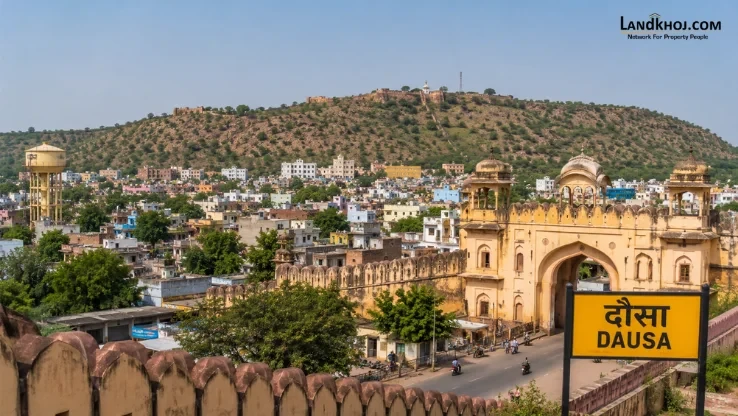
Dausa City
Dausa's property scene really comes down to a few things — it's a district centre, it sits close to Jaipur, the Delhi-Mumbai Expressway runs nearby, so does the Jaipur-Agra road, and then there's Bandikui and Lalsot right next door. Farming, people travelling through for pilgrimage, the railway line, government offices, all this development happening along the outer roads — put together, that's what creates demand for homes, plots, shops, guest stays, godowns, mixed-use buildings, the whole mix. Don't just decide because something's "near the highway" though. Go check the actual access, whether the land use is approved, what local services exist, what the neighbourhood is really like.
How Jaipur Proximity Influences Housing and Daily Commuting in Dausa
Jaipur being close by helps a lot — better jobs, proper healthcare, higher education, wholesale markets, business services, even the airport. Some families actually prefer buying in Dausa itself — an independent house, a bigger plot — and just use Jaipur when they need to. If you are a regular commuter, just knowing the distance is not enough. Look into factors like travel time during rush hours, toll costs, quality of the road, availability of buses on that route, and your way to the house from the bus stop.
Delhi–Mumbai Expressway and the Changing Use of Land Around Dausa
Then there's the Delhi-Mumbai Expressway, which has pushed up interest in land near the connecting roads and interchanges. These spots can work for logistics, warehouses, transport businesses, worker housing, maybe some commercial use too. But just being near the expressway doesn't mean you'll get direct access or that commercial use is even approved there. Before you think of residential or business, check for a service road, how far the interchange actually is, whether setbacks have been left, what the zoning says, any acquisition risk, the noise and dust levels, and how much your daily travel will depend on that toll road.
How the Jaipur–Agra Travel Route Supports Roadside Business and Property Demand
The constant back-and-forth between Jaipur, Dausa, Agra and the smaller towns is what keeps food joints, guest houses, workshops, shops, transport offices and small warehouses going, wherever they're allowed. Good road visibility helps if you're running a business, but if it's a house you're building, you're looking at traffic, dust, noise, and getting your car in and out safely isn't always easy. Before buying anything roadside in Dausa, check the parking, drainage, whether there's a service lane, proper setbacks, and any road-widening plan that might be coming.
Dausa, Bandikui and Lalsot as Connected but Different Property Markets
Dausa town itself works as the district and healthcare hub, with most government offices here too. Bandikui learns more about railways — that's its identity. Lalsot is more about farming, local markets, and being close to the expressway region. Each one fits a different kind of life, really. So before you decide, think about where you'll be working, how easy Jaipur is to reach, whether you'll be travelling by train or road, how far the hospital and school are, what the market access looks like, the utilities, plot size, how packed the neighbourhood feels, and the municipal status too.
Mehandipur Balaji, Abhaneri and Pilgrimage-Linked Accommodation Demand
Mehandipur Balaji and Abhaneri see a steady flow of visitors through the year — sometimes during festivals, sometimes on weekends, sometimes on specific religious dates. This keeps demand alive for budget rooms, dharamshalas, food stalls, parking, and local transport around these areas. Properties near busy routes can do reasonably well, but they also deal with crowding, high water use, waste management, and parking pressure. One thing worth keeping in mind — footfall here follows the religious calendar and seasons, so treating it as fixed rental income would be a mistake.
New projects to explore
View all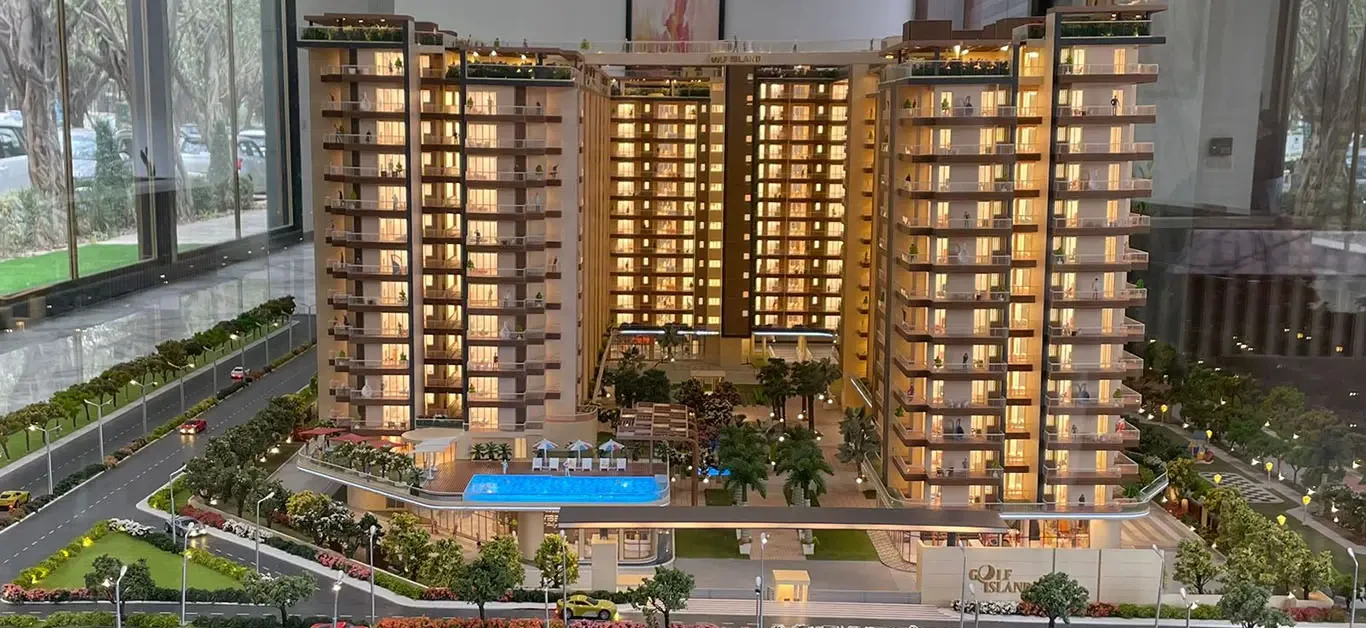 Under Construction

Golf Island
Sector 10 Dwarka, Sector 19, Delhi, Delhi, Delhi
Price
₹6 Cr
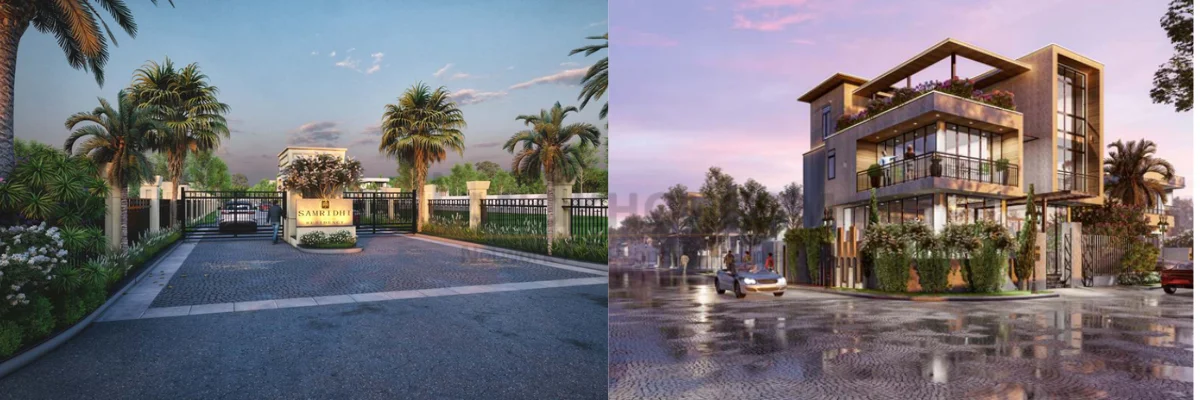 Under Construction

Samridhi Residency
Mansarovar Extension, Jaipur, Jaipur, Rajasthan
Price
₹60.3 Lac
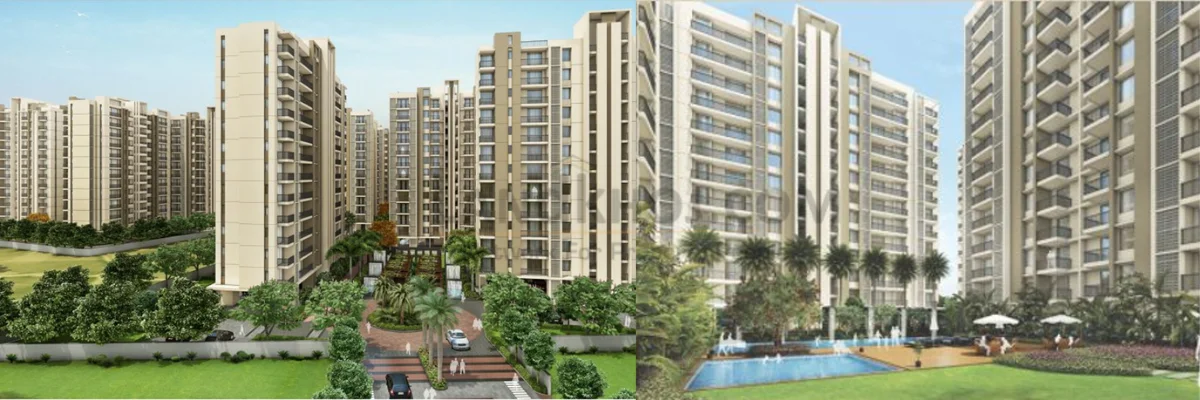 Under Construction

Renaissance Vedanta Phase II
Jagatpura, Jaipur, Jaipur, Rajasthan
Properties to explore
View all
Agriculture, Local Mandis and the Need for Godowns and Mixed-Use Property
Although Dausa's economic base is diversifying, agriculture still accounts for a big part of it. So the farming community including mandi traders, transporters, and farmers input shops will have a strong demand for godowns, loading space, roadside shops, and workers quarters. But how useful a property actually is depends on things like road width, vehicle access, legal land use, and how well it connects to local markets. This is mostly local, personal business — not part of any large industrial setup.
How District Services, Medical Facilities and Education Shape Residential Choice
Dausa City sees regular movement because of its government offices, courts, hospitals, schools, and colleges. Government employees, doctors, nurses, lawyers, students — all of them need housing, rentals, and shops nearby. Many families specifically look for areas close to the District Hospital, schools, or markets. That said, being near a government building does not automatically mean the surrounding colony is approved or that the plot's land use is correct.
What Buyers Should Check Before Purchasing Expressway-Side or Outer Dausa Land
If you are looking at land outside the city or along the expressway, quite a few things need to be checked before you commit. Start with ownership, title history, mutation, encumbrances, khasra details, actual possession, and boundary measurements. Then look at land use, conversion permission, Master Plan zoning, approved layout, building permission, legal approach road, service road access, setbacks, and whether there is any acquisition risk. Water, electricity, drainage, and sewerage all need checking too. Also see how far the nearest hospital, market, railway station, and bus stop actually are. And to be clear — Dausa does not have metro connectivity.
Conclusion
Dausa's property market is not something you can understand from one angle. It is also important to consider the nearness to Jaipur. Same here, the DelhiMumbai Expressway and the JaipurAgra corridor play significant roles. Dausa, Bandikui, and Lalsot each have different utilities. Pilgrimage activity, farming, mandis, and district-level services all create different kinds of demand for homes, shops, and land. For initial research, you can explore LandKhoj at landkhoj.com — but before any final decision, legal verification and an actual site visit are non-negotiable.
FAQs
Is Dausa City good for buying property?
Dausa is the kind of place where different people find different reasons to be here. Some families commute to Jaipur for work and prefer living here where things are a bit more affordable and spacious. Some traders are here for the mandi and agri business. Some government employees simply want to stay close to district services. Everyone has their own reason — so before deciding whether Dausa works for you, it helps to first be clear about what you actually need.
Is it better to buy property in Dausa, Bandikui, or Lalsot?
Dausa, Bandikui, and Lalsot each serve a different purpose. Dausa city has courts, hospitals, schools, and government offices — so people who need regular access to these services tend to find this area more convenient. Bandikui has good railway connectivity, making it a feasible option for people dependent on train travel. Lalsot is predominantly a farming region with most of the the population comprising farmers, traders, and people connected with local markets.
How does Jaipur proximity affect property demand in Dausa?
Being close to Jaipur has a direct practical benefit. People who need Jaipur for jobs, healthcare, education, or airport access often choose to live in Dausa — it is relatively cheaper and you get more space. That is a common reason families start looking at property here.
Does the Delhi–Mumbai Expressway influence land activity around Dausa?
The expressway and major roads have created interest in logistics, godowns, roadside shops, and outer land. But buying land in these areas requires checking legal access, land use classification, and conversion permission. Just being near a highway is not enough on its own.
Is highway-side property in Dausa suitable for residential use?
Properly managed highway-side properties can definitely give you some good results. Though, you should consider potential nuisances like noise and dust, with heavy traffic, safe ingress and egress, drainage, and setbacks. The location also needs to be properly approved.
Does pilgrimage tourism create rental demand in Dausa district?
Around Mehandipur Balaji, some areas do see demand for accommodation, but it is seasonal and varies by location. Not every spot near the route benefits equally — it depends on how much footfall that particular area actually gets and when.
Does Dausa City have metro connectivity?
There is no metro in Dausa. Getting around means relying on roads, buses, shared transport, private vehicles, and the railway. Plan your connectivity keeping that in mind.
What should buyers verify before purchasing outer-city or expressway-side land in Dausa?
And if you are seriously looking at any property — plot, land, or house — then title, mutation, land use, conversion, approved layout, service road, setbacks, utilities, possession, and acquisition risk all need to be properly verified. Missing even one of these can create serious problems later.